
Small adjustments in strategy and technique can significantly improve your pickleball performance
You've probably hit thousands of dinks in your pickleball career. You've worked on your serve, your third shot drop, and your overhead smash. But here's the thing: the small adjustments often make the biggest difference.
Tanner Tomassi recently shared seven tips that he wishes he'd learned earlier in his professional journey, and they're the kind of insights that can genuinely shift how you play the game.
Love pickleball? Then you'll love our free newsletter. We send the latest news, tips, and highlights for free each week.
1. Reset Cross-Court, Not Straight Ahead
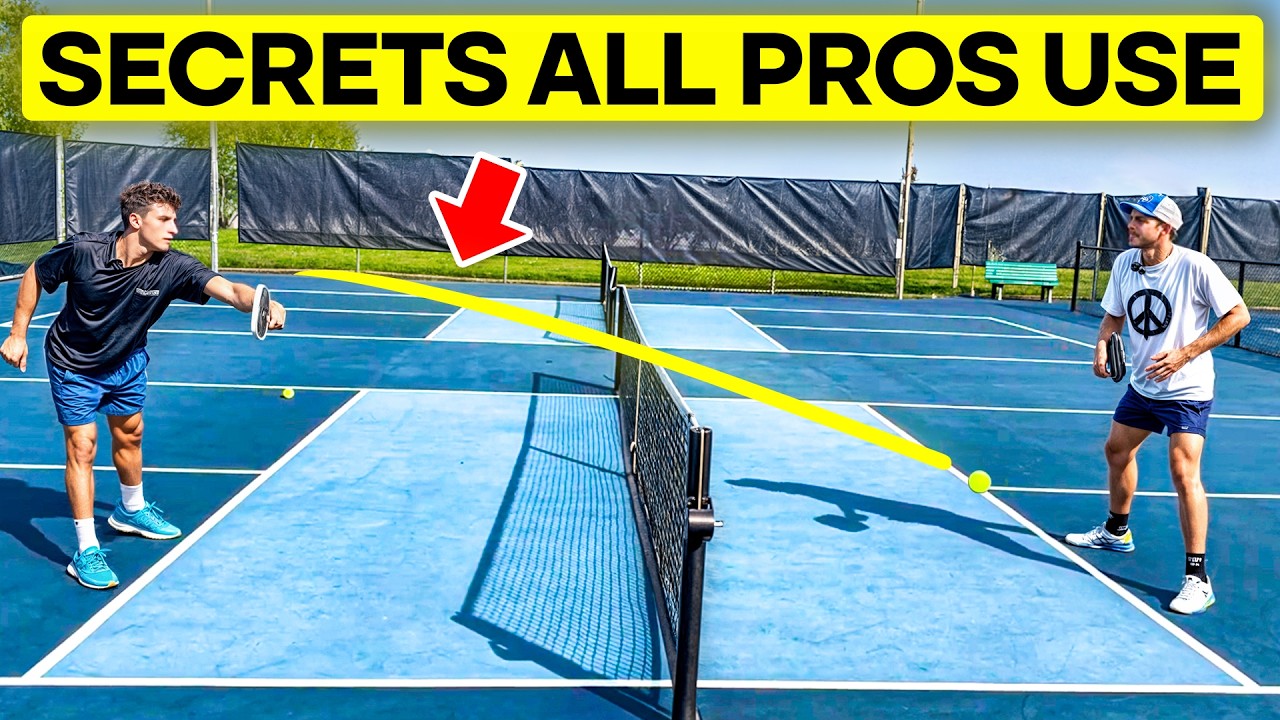
When you're approaching the kitchen line after your third shot drop, you'll often find yourself needing to hit a reset from the middle of the court. The instinct is to hit it straight ahead, right? Wrong.
Tanner's first tip is simple but powerful: always reset cross-court instead. When you reset straight ahead, your opponent is leaning in, which means you've got almost no room to work with. You're basically aiming at a tiny target.
Cross-court resets give you an extra two feet of space to work with. Plus, the net is two inches lower in the middle, so your balls are more likely to clear it. It's a small change that removes a ton of pressure from the shot.
2. Handle Aggressive Dinks With Sideways Paddle Control
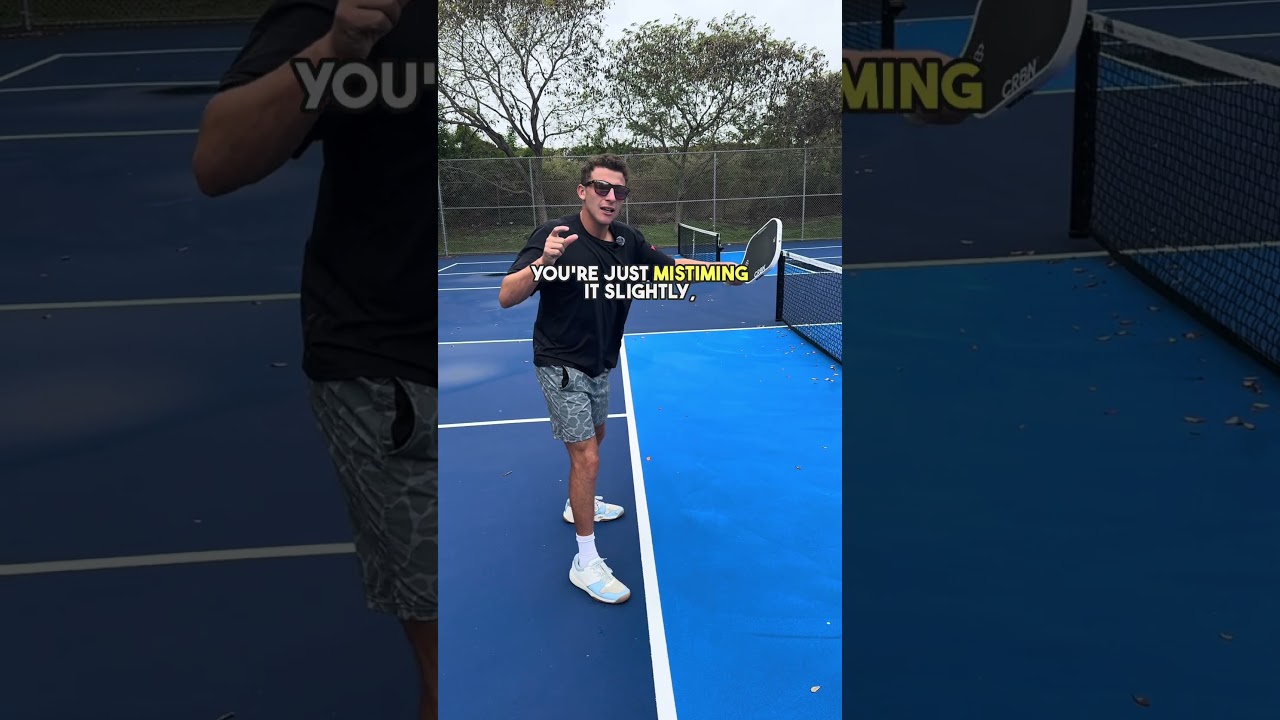
Here's where a lot of amateur players go wrong: when someone hits an aggressive dink at them, they drop their paddle head and bunt the ball forward. This gives your opponent a dead dink to dictate the point.
Instead, keep your paddle completely sideways and nudge the ball back cross-court. It's almost like you're absorbing the pace rather than adding to it.
The footwork matters too. When you see that aggressive dink coming, cross your feet and cut the ball off immediately. If someone hits a sharp dink out wide, it's traveling fast, so trailing it won't work. You need to get in front of it.
 The Dink Media Team
3. Defend Against Smashes by Moving Early
When a ball pops up and your opponent has an overhead smash opportunity, most players just stand there and hope. That's not the move.
The key is timing. Right when the ball pops off your paddle and you see your opponent going for the smash, take as much ground back as possible. You might get one step back, or you might get four or five. The important part is that you stop moving right before they make contact.
You want to be in a low ready position when they swing. This gives you the best chance to react and defend the shot.
 The Dink Media Team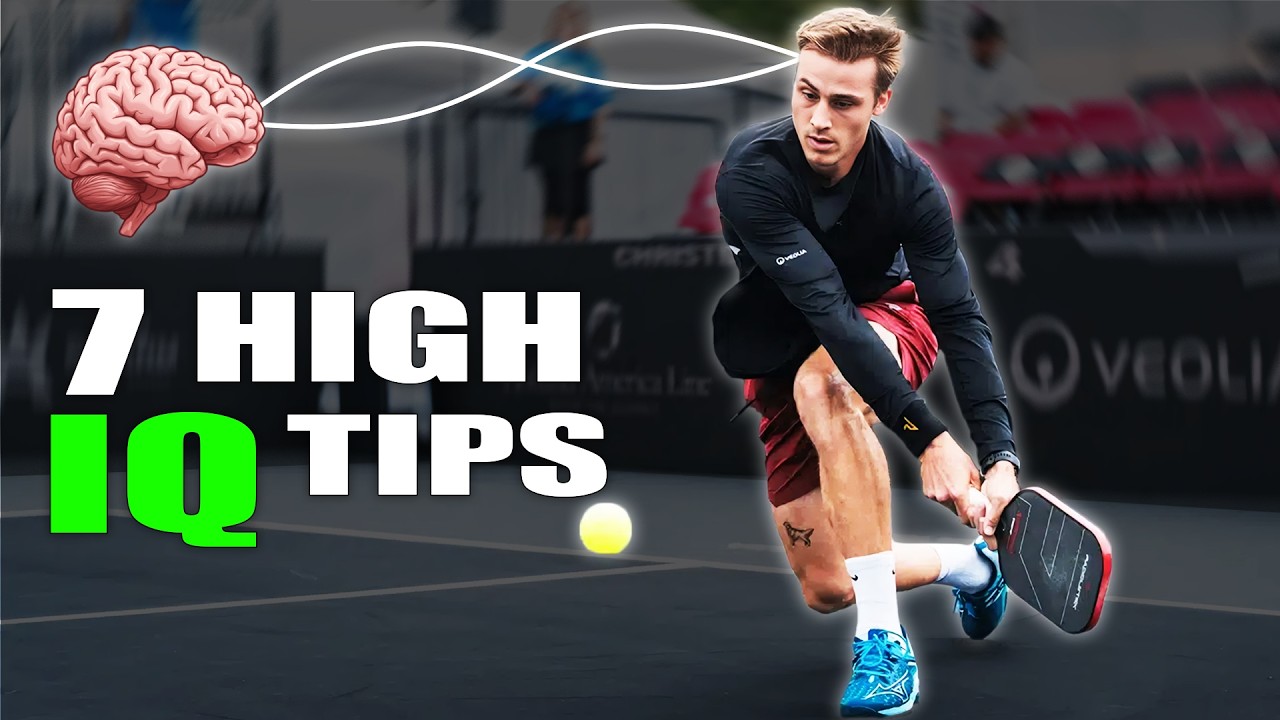
4. Block Hard Drives Out in Front
You're at the kitchen line. Your opponent is at the baseline and drives the ball hard at you. You reach for it and miss it into the net. Sound familiar?
The problem is timing. When someone's hitting hard, your paddle is probably too close to your body. By the time the ball arrives, you're reaching and the error happens.
The fix: get your paddle out in front before the ball even gets to you. When the ball comes, you're just reacting to which side it's on. You're not trying to hit a winner. You're just trying to survive the drive and keep it in play.
5. Know When to Drive Versus Drop on Your Third Shot
Your third shot is one of the most important shots in pickleball. But should you drive or drop? It depends on what your opponent gave you.
Here's when you should drive:
- Your opponent hit a really strong return that lands sharp and you're off your back foot. You need to get back in the point.
- They hit a return that lands short and bounces high, around thigh height or higher. You've got the advantage, so put pressure on them.
Here's when you should drop:
- Your opponent hit a mediocre return that lands near the baseline but doesn't have much speed or spin. You can control it into the kitchen.
- You get a shallow return that lands low. Trying to rip it from down there is a losing proposition.
 The Dink Media Team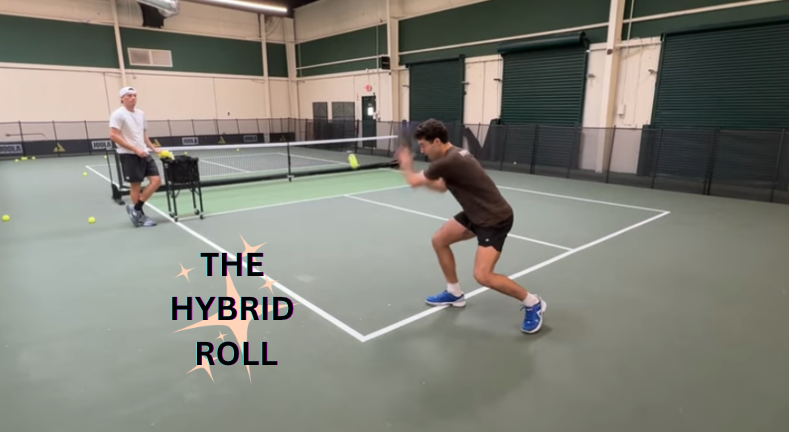
6. Fast Hands Come From Wrist Snap, Not Power
Most players think winning a hands battle means hitting the ball hard through your opponent's chest. That's not how it works.
The real secret is hitting the ball down to your opponent's knees. Force them to hit up on the next ball, and you get an easy smash.
Here's the technique: keep your body and feet completely still. Don't step around. Instead, cock your wrist and snap at the ball. The power comes from the wrist, not from your body moving. It should look like a controlled flick, not a full swing.
 The Dink Media Team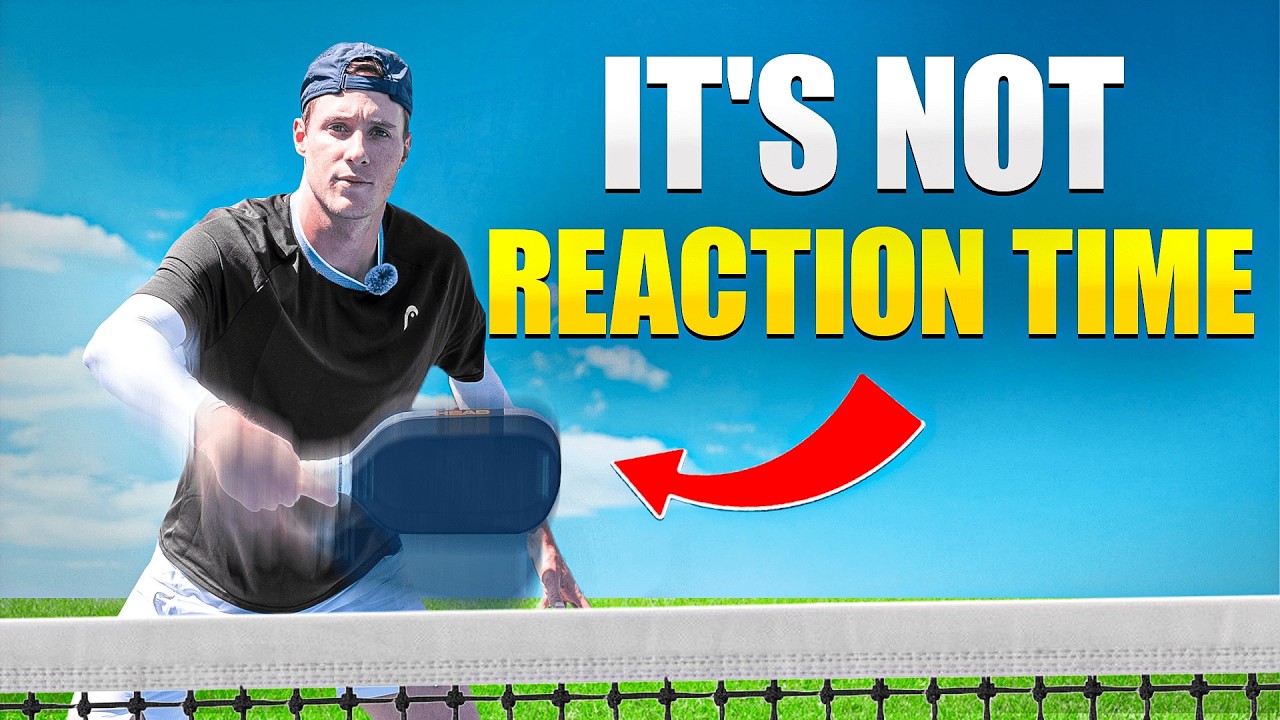
7. Think Offense When You're Dinking
This is the tip that Tanner says has revolutionized his game. Most amateur players dink just to dink. They're not thinking about what comes next.
The entire purpose of dinking is to set up a popup that you can attack. So when you're dinking cross-court, as soon as you hit a ball that feels like a good shot, don't just stand there and watch it. Move forward into the kitchen.
Shrink the kitchen. Make your opponent feel your presence. Get your foot over the center line. You're not just playing defense anymore. You're setting the stage for your attack.
Heads up: hundreds of thousands of pickleballers read our free newsletter. Subscribe here for cutting edge strategy, insider news, pro analysis, the latest product innovations and more.
Small Changes, Big Results
These seven tips aren't flashy. They're not going to make you hit an unreachable erne or pull off some highlight-reel shot. But they're the kind of adjustments that pros follow because they work.
The best part? You can add them to your game right now. Pick one or two and focus on them during your next session. You'll be surprised how quickly they become second nature.

Love Pickleball? Join 100k+ readers for free weekly tips, news & gear deals.
Subscribe to The DinkGet 15% off pickleball gear at Midwest Racquet Sports