


6 Amateur Pickleball Mistakes That Make You Look (and Play) Like a Beginner
Pickleball is all about timing and positioning – fix these common mistakes and you'll stop looking like an amateur and start playing like a pro
You're grinding on the pickleball court, feeling pretty good about your game, and then you realize something: you're still making the same mistakes you made six months ago.
The good news? Most of those errors are fixable, and they're probably the same ones that separate amateurs from players who actually dominate.
Enhance Pickleball breaks down the six biggest mistakes that keep you looking like a beginner, plus exactly how to fix them.
Love pickleball? Then you'll love our free newsletter. We send the latest news, tips, and highlights for free each week.
1. Start Every Point the Same Way
Before you even hit the ball, you're already losing points. Most amateur players don't have a serve or return ritual, which means they're starting every single point differently.
On the serve, this looks like balancing the ball, getting your stance right, and making sure your hands are positioned the same way every time. You don't have to bounce the ball, but at minimum, step up to the line, get in your stance, and prepare consistently.
The return is trickier because your opponent controls the serve. But you control how you prepare.
- Walk up to where you want to stand
- Take a few steps back to give yourself space off the baseline
- Then do a small split step right before your opponent serves
This guarantees you're standing in the right spot and leaning forward when you hit the return.
2. Get Back to Ready Position After Every Shot
You hit a great shot. Then you just stand there. That's a problem.
After every single shot, you need to move back to your ready position with urgency.
If you don't, your opponent will blast the ball past you before your paddle even gets moving.
Your ready position changes depending on where you are on the court. At the kitchen, keep your hands just above net height because balls are coming hard at that level. As you back up, lower your ready position slightly so you're ready for shots coming at your feet.
 The Dink Media Team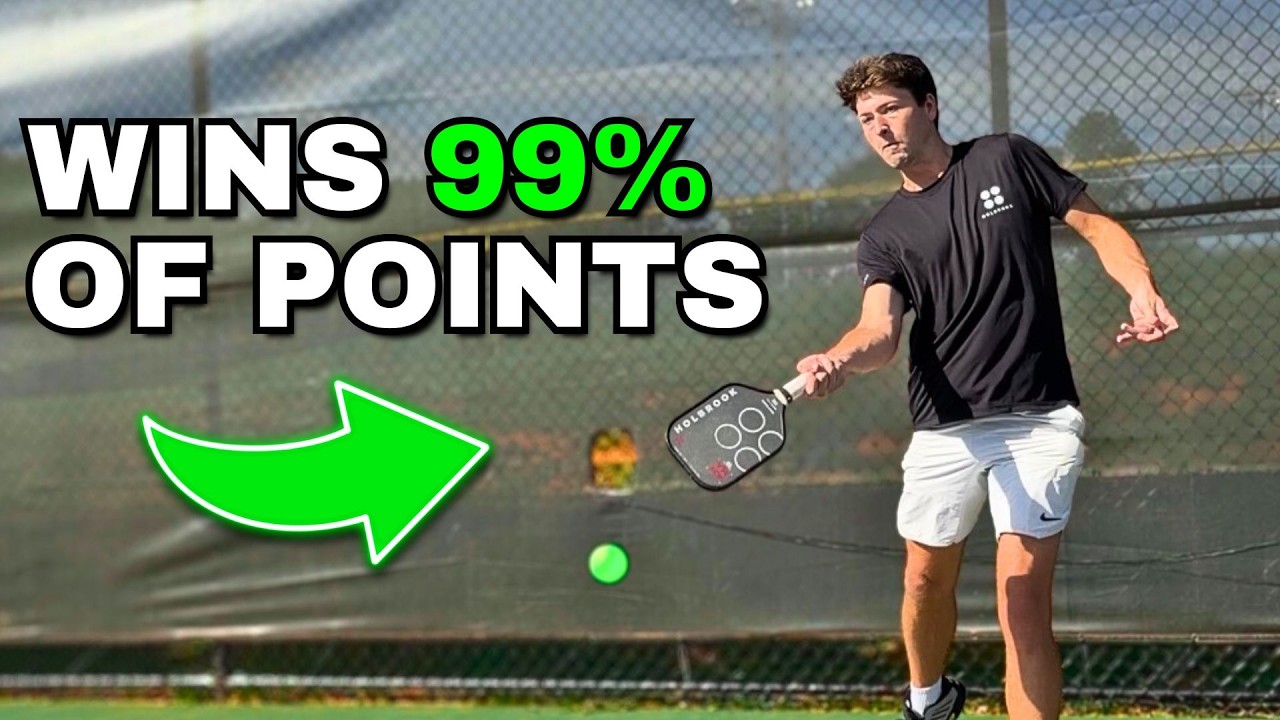
3. Master the Crossover Step on Lobs
A lob goes over your head and you panic. You start backpedaling, looking up, completely lost. Sound familiar?
Stop backpedaling. It's slow and dangerous, and you'll lose your balance. Instead, turn your shoulders immediately and take a quick crossover step back. If you need more distance, take two crossover steps while looking up at the ball. You can even add a scissor kick to get rotation into your smash.
If crossover steps feel too advanced, turn and shuffle instead. It's still faster and safer than backpedaling, and pros use this footwork every time.
 The Dink Media Team
4. Use Your Kinetic Chain on the Overhead Smash
Here's the difference between an amateur smash and a pro smash: where your elbow goes.
Amateurs go straight up and down. Pros turn their shoulders and point their elbow back, just like a baseball pitcher. This creates the kinetic chain that generates real power, the kind that ends the point in one shot.
When you get lobbed, turn your shoulders and get your elbow back. You'll unlock one-shot-kill power. If you just move your paddle back without turning, you lose almost all your power.
5. Hide Your Backswing on Speed-Ups and Soft Shots
You're in a dinking rally and you want to speed up the ball. So you take a big backswing. Your opponent sees it immediately and prepares for the hard shot.
That's telegraphing. Instead, pretend you're hitting a dink, then flick your wrist at the last second. No big backswing, no warning.
The same rule applies to soft game shots like resets, drops, and dinks. Take the smallest backswing you need. A big backswing on a reset will pop the ball up and your opponent will kill it. On dinks, a small backswing gives you more control.
 The Dink Media Team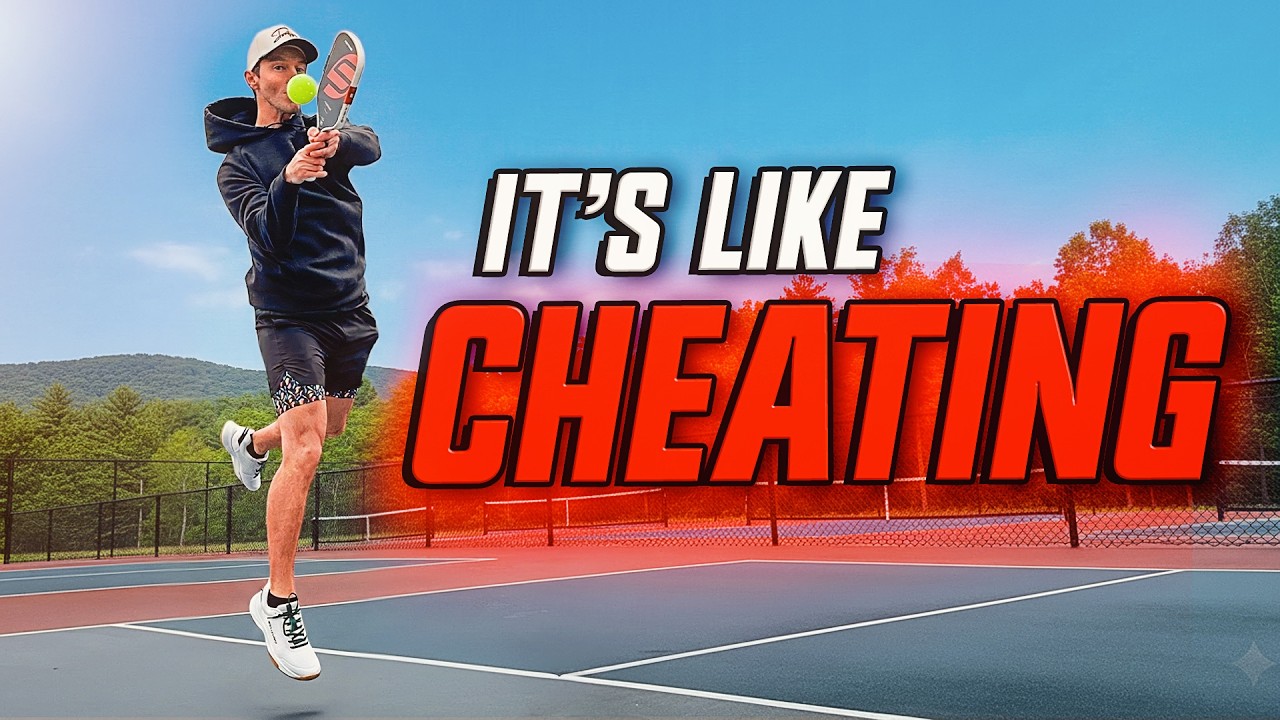
6. Reset, Don't Attack, in the Transition Zone
You're moving up from the baseline and the ball comes at you. You try to crush it. It goes hard and up to the net player, who smashes it back down at your feet.
That's the transition zone trap. Most of the time when you're moving up, your opponent is hitting the ball low at you. You need to reset it back down into the kitchen, not attack.
A reset is a soft shot that lands in the kitchen and keeps the ball low. It's your tool to disarm your opponent and keep moving forward even after a weak shot. Once you master resets, your game becomes way smarter because you're attacking when you actually have a good opportunity, not just whenever you feel like it.
Heads up: hundreds of thousands of pickleballers read our free newsletter. Subscribe here for cutting edge strategy, insider news, pro analysis, the latest product innovations and more.
Pickleball is all about timing and positioning. Fix these six mistakes and you'll stop looking like an amateur and start playing like a pro.

Love Pickleball? Join 100k+ readers for free weekly tips, news & gear deals.
Subscribe to The DinkGet 15% off pickleball gear at Midwest Racquet Sports


