
The drive isn't just about hitting harder – it's about reading the court, knowing when to attack, and setting up your next shot
The pickleball drive has become essential in modern play. Five years ago, the third-shot drop ruled the court. Today, if you can't hit a fast, dipping drive, you're leaving serious holes in your game. And points on the table.
PlayPickleball.com breaks down exactly how to master this shot, from footwork to follow-through, plus when to actually bust it out in a match.
Love pickleball? Then you'll love our free newsletter. We send the latest news, tips, and highlights for free each week.
1. Get to the Ball Early (Yes, Really)
This sounds obvious, but it's where most players fail. The moment the serve goes in, your feet need to be active. Don't stand flat-footed waiting for the return.
If you're scrambling to get in position when the ball comes back, you've already lost. The earlier you arrive at the ball, the better your setup, the better your timing, and the better your drive.
2. Load and Transfer Your Weight
Whether you swing with an open stance or a closed stance, the weight transfer concept stays the same. Load your weight onto your paddle-side foot (your right foot if you're right-handed). This foot is your anchor.
Here's the critical part: don't make contact while moving backward or while your chest is rising. Load on that back foot, then transfer your weight forward through the ball. This generates power and locks in your timing.
 The Dink Media Team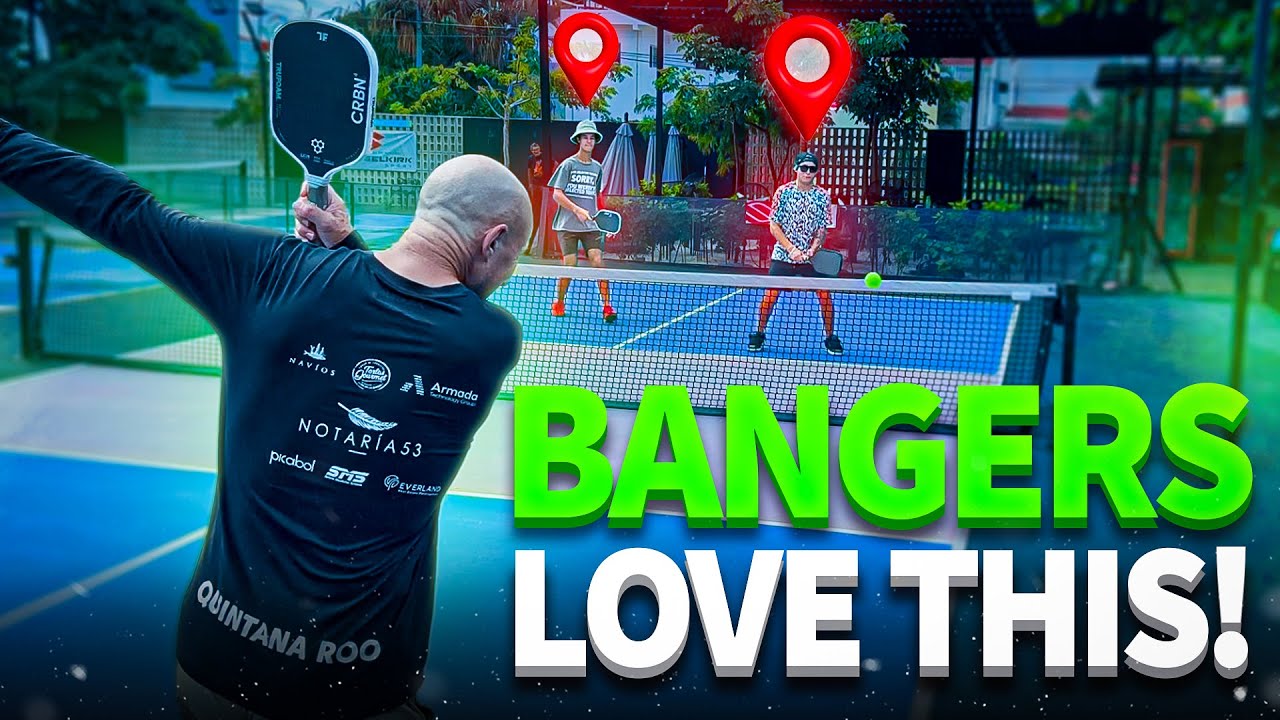
3. Spacing Matters More Than You Think
If you didn't grow up playing tennis, spacing can feel awkward. Many players end up jamming themselves, pulling their elbow too close to their body. That's a recipe for unforced errors.
Use your non-paddle arm as a guide. Keep it strong and extended in front of you. This helps you measure the distance to the ball and ensures you're striking it in front of your body, not behind it. Your momentum should always be pushing forward.
4. The Wrist Lag Secret
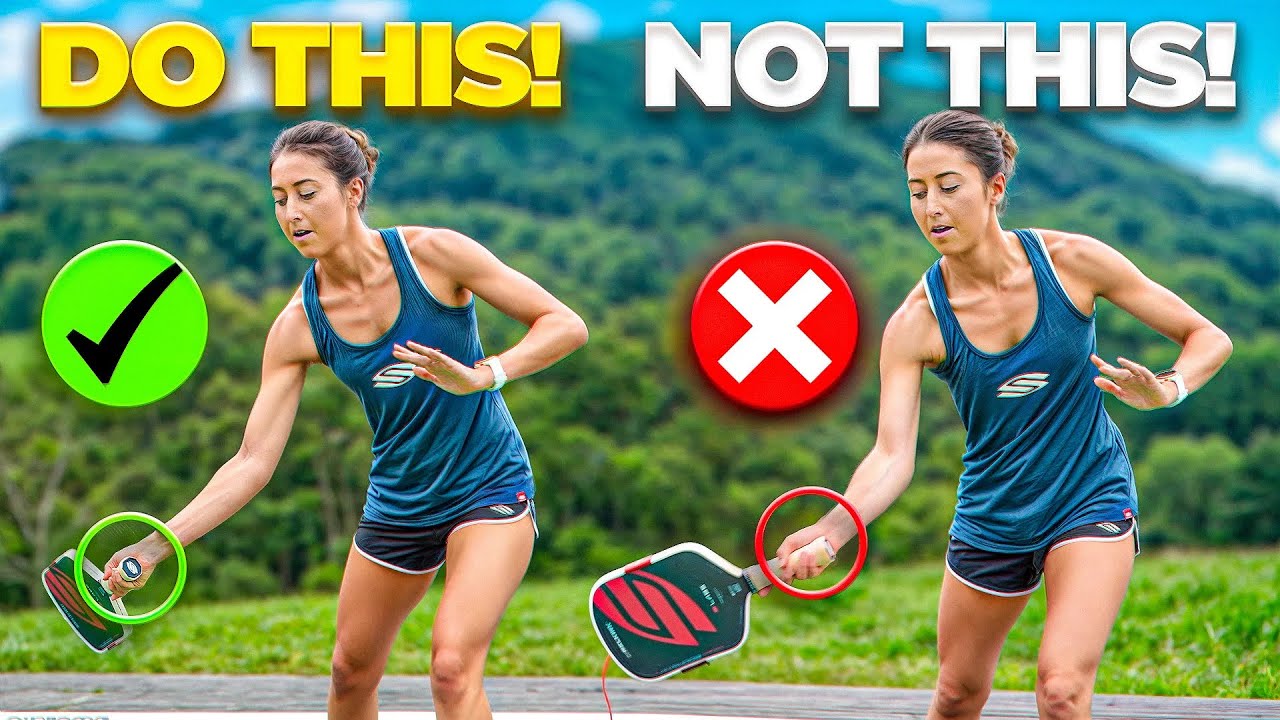
Every great drive shares one thing: wrist lag. As you prep for the shot, lay your wrist back and slightly rotate your thumb to close the paddle face.
This creates a whipping motion that generates extra power and spin. You want a firm wrist for control, but loose enough to whip through the motion. It's a balance, but once you feel it, it clicks.
 The Dink Media Team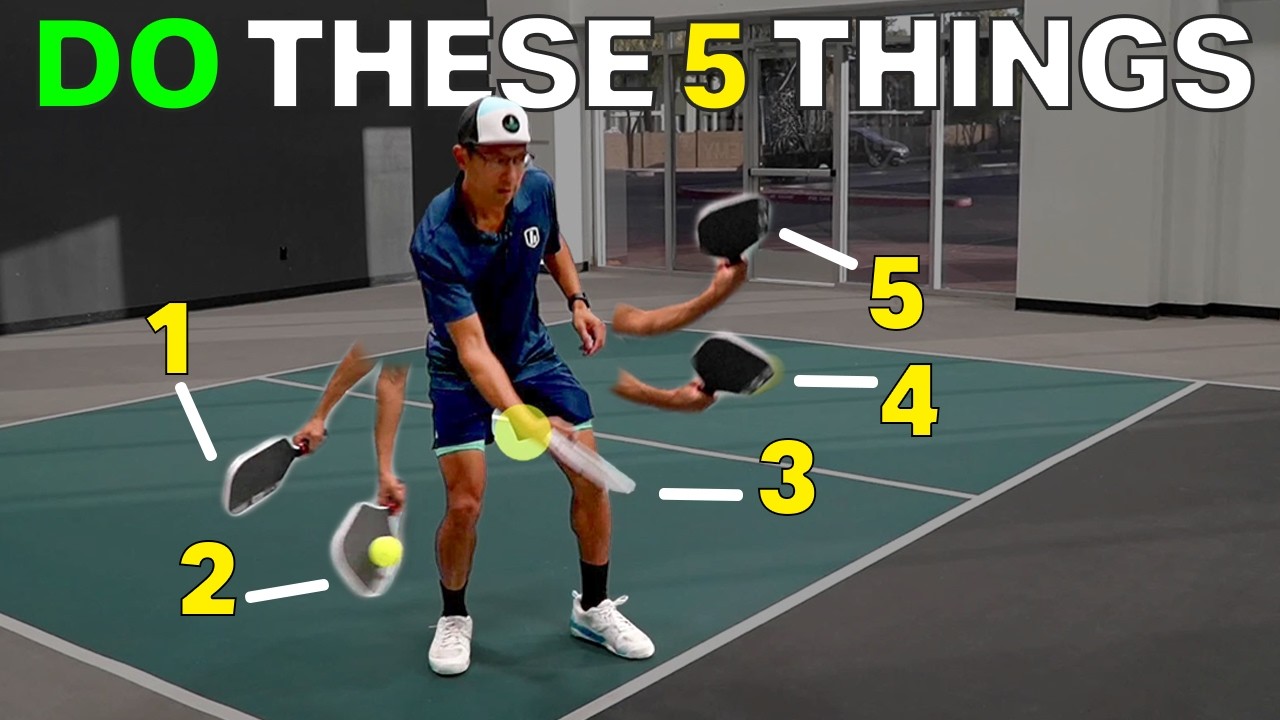
5. Keep Everything Moving Forward
Consistency and accuracy come from a clean swing path. A common mistake is using rotational momentum, swinging your body to the side. That kills your accuracy.
Instead, imagine your swing path as a short, straight line moving forward. Keep your focus on that forward motion and let your follow-through finish naturally. This short, whippy, forward-focused swing is what creates that dipping drive that stays in the court.
Heads up: hundreds of thousands of pickleballers read our free newsletter. Subscribe here for cutting edge strategy, insider news, pro analysis, the latest product innovations and more.
When to Actually Drive
Knowing how to drive is only half the battle. You also need to know when to use it. High-level players don't decide before the ball is hit. They read the return.
Look for these situations:
- A deep return that pushes you back toward the baseline. A drive is often better than a drop from that distance.
- A ball that sits up and bounces high in the midcourt. This is a perfect opportunity to attack.
- Any forehand that's not super low or pulling you forward. Most players prefer driving their forehand, so take advantage when you get a good one.
 The Dink Media Team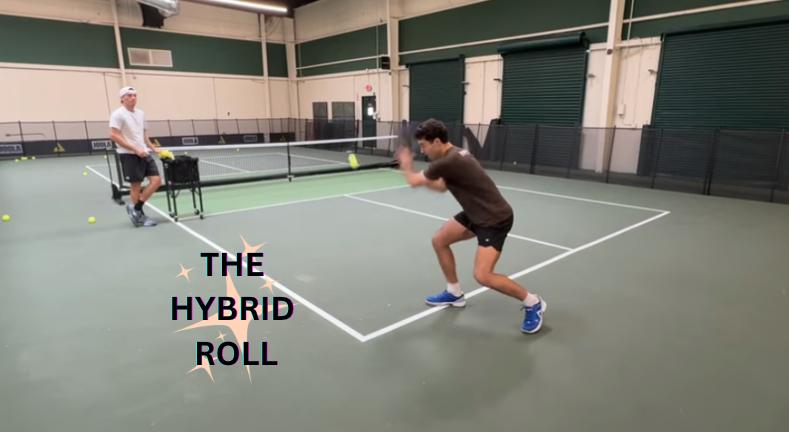
The Drive-Drop Combo
Don't fall into the trap of hitting consecutive drives. If you hit a fast ball, a fast ball comes back at you. Hitting drive after drive after drive leaves you out of control and keeps you away from the kitchen line.
Instead, use the drive-drop strategy. Hit one hard drive to force a weak return, then use that easier ball to hit a drop and move up to the kitchen. This gives you and your partner time to get to the net, which is where you want to be.
The Shake and Bake
Once you're comfortable with your drive, you can get fancy. The shake and bake (or drive and crash) is a poaching strategy where your partner crashes the net to put away the pop-up.
Here's how it works:
- Hit a dipping drive straight ahead or to the middle
- Your partner crashes the net while reading the opponent's paddle position
- If their paddle tip drops below the net, they know a pop-up is coming, and they can step in front of you to finish the point
The key is communication. Give your partner a verbal cue so they know when to move in. And aim your drive to dip below the net. Even if you don't hit it super hard, a dipping ball sets your partner up perfectly for the poach.



Love Pickleball? Join 100k+ readers for free weekly tips, news & gear deals.
Subscribe to The DinkGet 15% off pickleball gear at Midwest Racquet Sports