
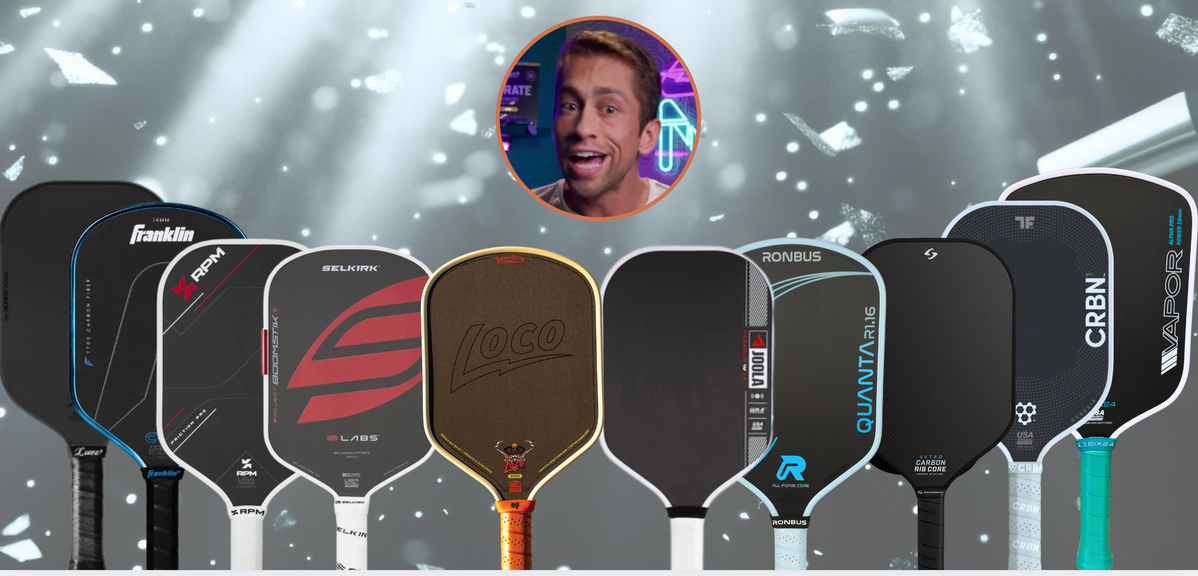
Pro Zane Navratil breaks down his top five picks for choosing the correct pickleball paddle for your game
When it comes to pickleball paddles, there are hundreds of options, wildly different price points, and endless opinions from pros, reviewers, and your doubles partner who swears by their latest gear.
But according to Zane Navratil, the process doesn't have to be complicated. He breaks down five tips for exactly how an amateur player should approach paddle selection.
Love pickleball? Then you'll love our free newsletter. We send the latest news, tips, and highlights for free each week.
The Basics of Buying a Pickleball Paddle
Before you spend any money on a new pickleball paddle, there are a few things to consider. First, what type of player are you — control, all-court, or power? Next, what paddle shape best fits your style of play: widebody, hybrid, or elongated. Finally, know your budget. Despite what everyone around you is swinging, you might not actually need a $300 power paddle.
1. Don't Cheap Out on Your First Real Paddle
The first rule is simple: don't waste money on a $75 paddle. Navratil explains that there are legitimately bad paddles on the market, and if you grab something under $100, you'll likely replace it within a couple of weeks when you realize it belongs in the trash, not on the court.
That doesn't mean you need to drop $300 either. The sweet spot is finding something solid in the middle range that won't leave you frustrated or broke.
 The Dink Media Team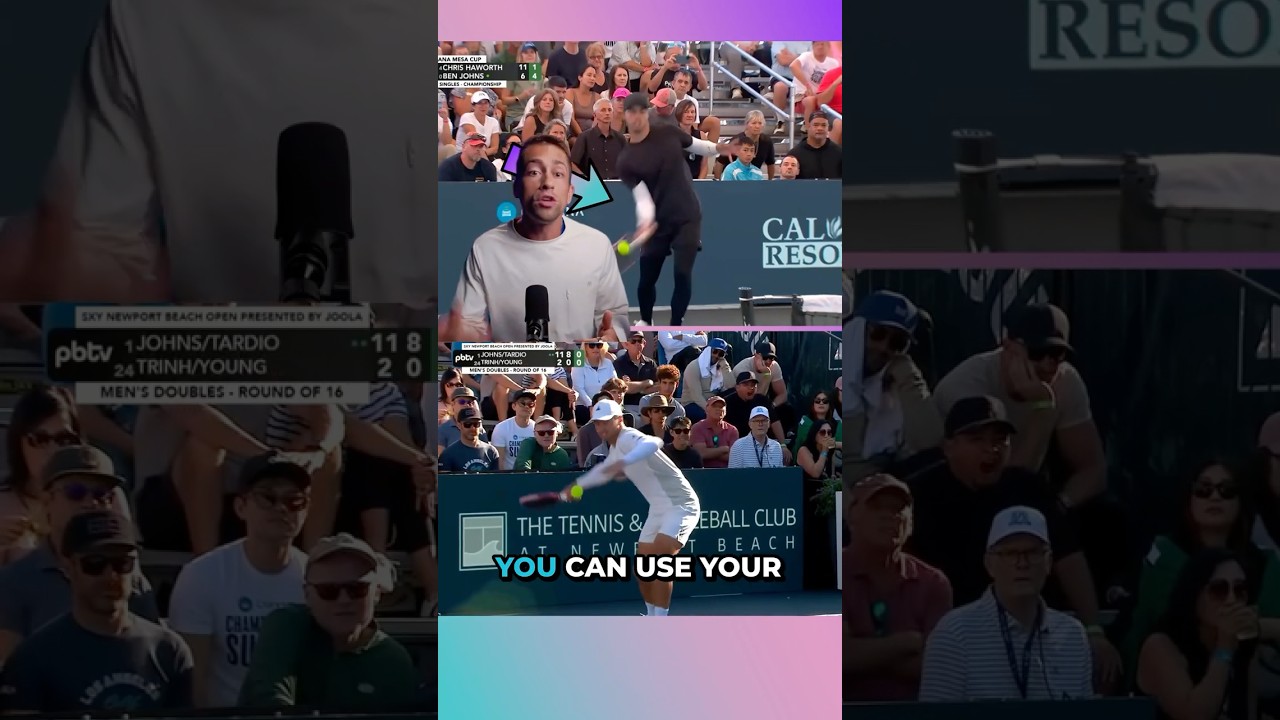
2. Learn From the Pros (But Not the Sponsored Ones)
Watch how the pros play, but here's the catch: focus on the lower-level pros who aren't plastered with company logos. These players are using paddles because they genuinely like them, not because they're getting a paycheck.
The sponsored pros? They're playing with what the contract says. The unsponsored ones? They're playing with what actually works for them.
 Alex E. Weaver
3. Paddle Reviewers Know What They're Talking About
If a paddle is being used by lots of pros and loved by lots of reviewers, it's probably a solid choice. This is your crowd-sourced quality check.
Look for paddles that show up repeatedly in reviews and pro play. That consistency matters.
 Alex E. Weaver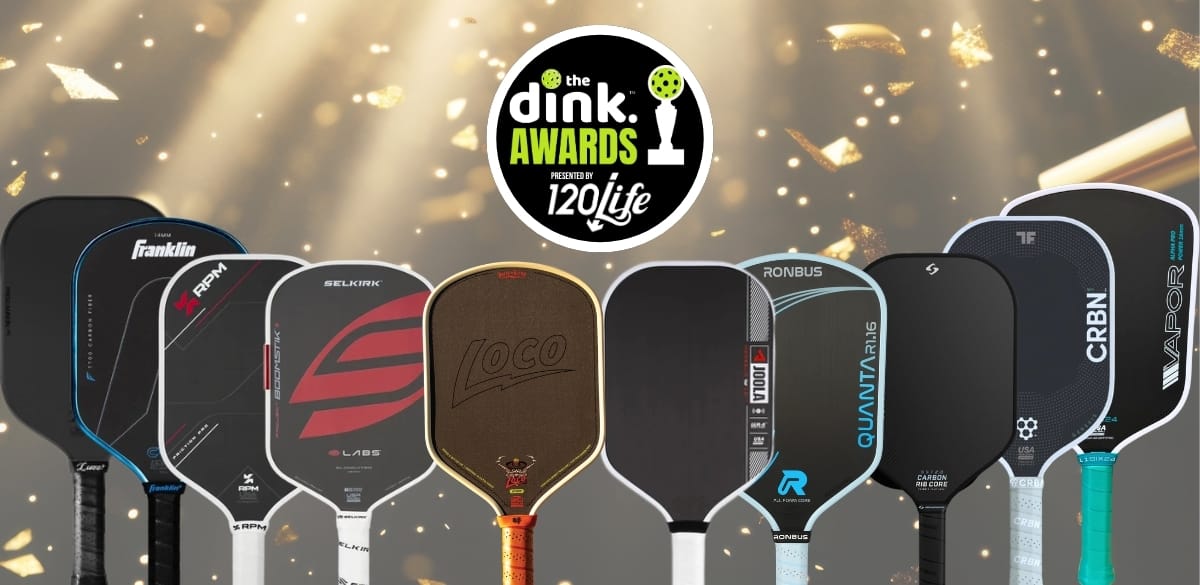
4. Avoid the Extremes
Don't get something that's really long, really short, really light, really heavy, really powerful, or really soft. Maxing out in one area means negative trade-offs in another.
A paddle that's ultra-powerful might sacrifice control. One that's super light might lack stability. Balance is key.
5. The Magic Paddle Doesn't Exist
Here's the reality check: your paddle matters way less than your actual skills. Navratil has beaten 5.0-level players with wood paddles and mini training paddles. Your shiny new $300 paddle isn't going to fix a broken third shot drop.
If you want to improve your game, invest in lessons, court time, and practice. The paddle is just a tool.
 Alex E. Weaver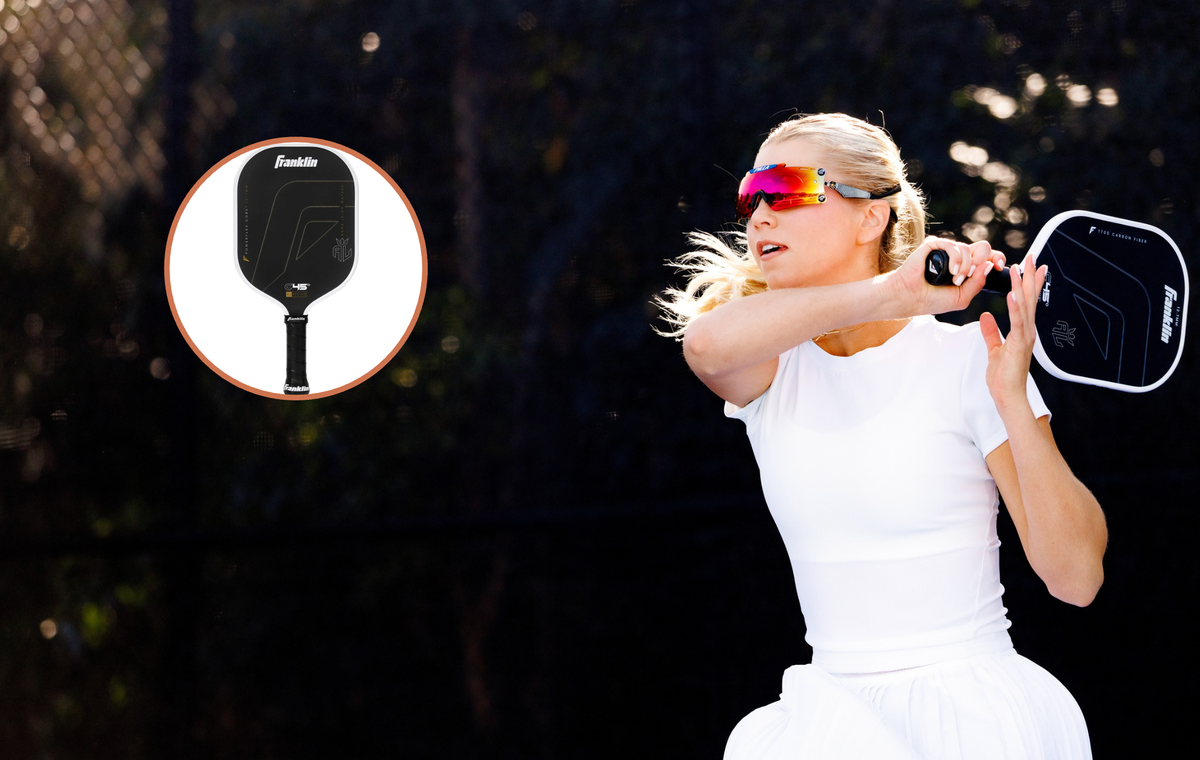
Trust Your Gut
At the end of the day, it comes down to what feels good to you. If you like a paddle because it looks cool, buy it. If you like it because your favorite pro uses it, buy it.
The only exception? If you're picking a paddle just because a certain reviewer suggested it, Navratil has some tongue-in-cheek advice: quit pickleball forever. (He's joking. Probably.)
One More Thing: Check for Discount Codes
Paddle reviewers often have discount codes that can save you money. If you don't want to hunt those down or you'd rather support a creator directly, that's valid too.
Or us, if you're interested:
The bottom line: pick a solid mid-range paddle, make sure it feels right in your hand, and then focus on the part that actually matters: your game.
Love Pickleball? Join 100k+ readers for free weekly tips, news & gear deals.
Subscribe to The DinkGet 15% off pickleball gear at Midwest Racquet Sports