
5 Things Senior Pickleball Players Should Actually Avoid
These aren't restrictions meant to hold you back. They're guardrails designed to keep you healthy, competitive, and enjoying the game for years to come.
If you're over 50 and playing pickleball competitively, you're probably getting advice from everywhere. But not all of it applies to your game.
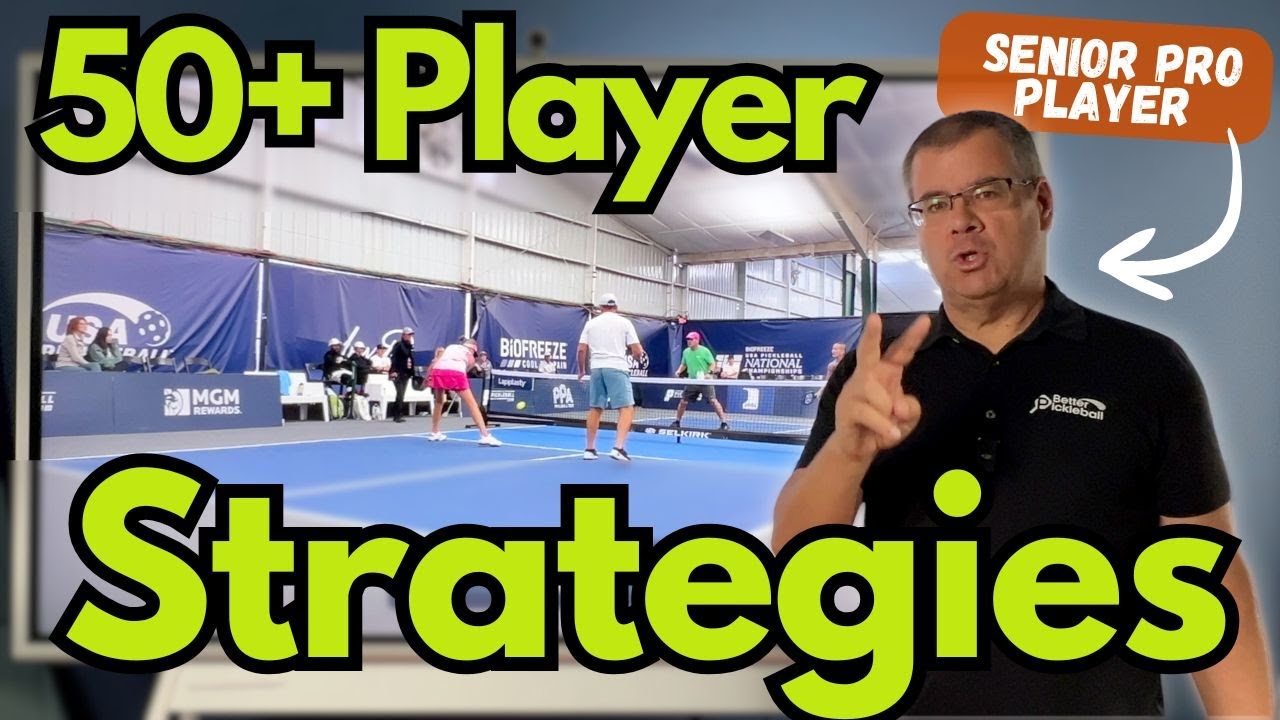
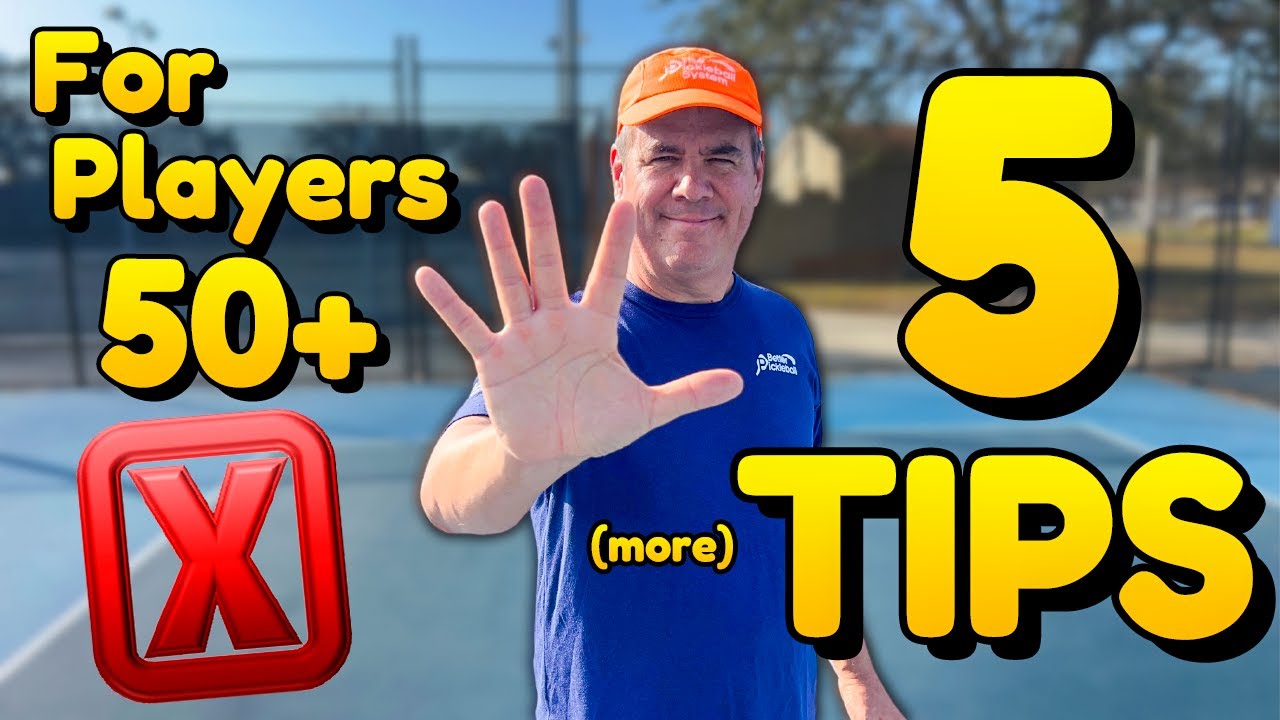
In2Pickle's Tony Roig, a master teaching professional and 55-year-old senior pro player himself, flips the script in a recent video by laying out five things that 50+ players should actually avoid, rather than chase.
It's a refreshing take that cuts through the noise and speaks directly to the realities of playing at this stage of life.
Love pickleball? Then you'll love our free newsletter. We send the latest news, tips, and highlights for free each week.
1. Spin Isn't Your Secret Weapon
Everyone wants to add spin to their game. It looks cool, it feels advanced, and there's definitely a place for it in pickleball. But here's the thing:
For 50+ players, the marginal benefit of spinning the ball often gets buried under the extra errors it introduces.
 Alex E. Weaver
Roig demonstrates the difference between a regular dink and a spin dink side by side.
- The spin shot requires you to get under the ball, which means bending more and stepping into the non-volley zone. That's a recovery nightmare.
- A regular dink with just a touch of cut? You stay comfortable, stay out of trouble, and keep the point alive.
The takeaway isn't "never spin." It's "don't make spin your entire identity."
Master the fundamentals first, then layer in the fancy stuff if you've got the bandwidth.
2. Your Paddle Position Matters More Than You Think
You've probably seen pro players holding their paddle down low, near their waist. That works great if you're 22 and have the reflexes of a cat. At 50+, that low ready position can get you into trouble fast.
Instead, keep your paddle up around chest level. It doesn't need to be sky-high, but this positioning gives you a much better chance to react to hard-hit balls and keep them from getting into your body. It's a small adjustment that pays dividends in competitive play.
 The Dink Media Team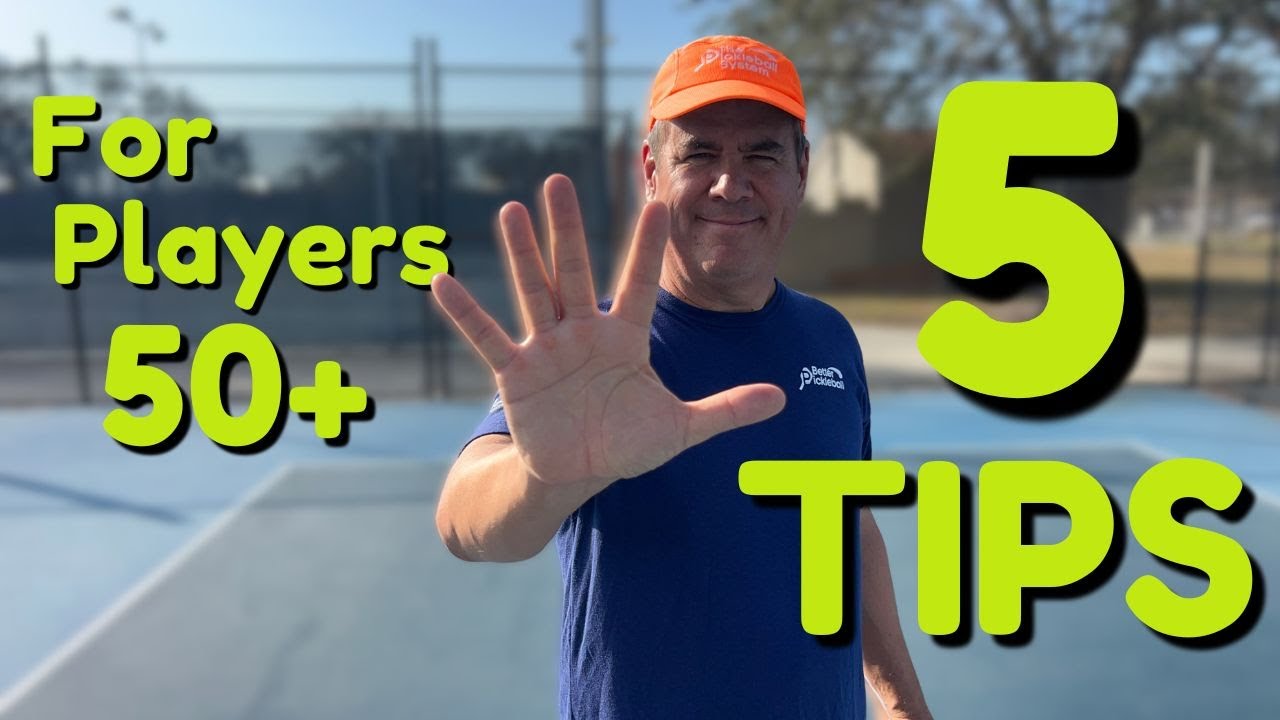
3. Grip Matters: Go Continental
There are lots of grip styles floating around pickleball. Some players swear by extreme grips that work great for their forehand but create problems everywhere else.
Roig recommends the continental grip, which is basically a handshake grip on the paddle. Here's why it works for 50+ players:
- It gives you flexibility on both forehand and backhand shots
- It keeps your paddle in a neutral position so hard-hit balls don't turn into easy putaways
- It reduces the arm rotation needed for different shots, which is easier on aging joints
If you have the choice, stick with continental. It's the most forgiving grip for the long haul.
 The Dink Media Team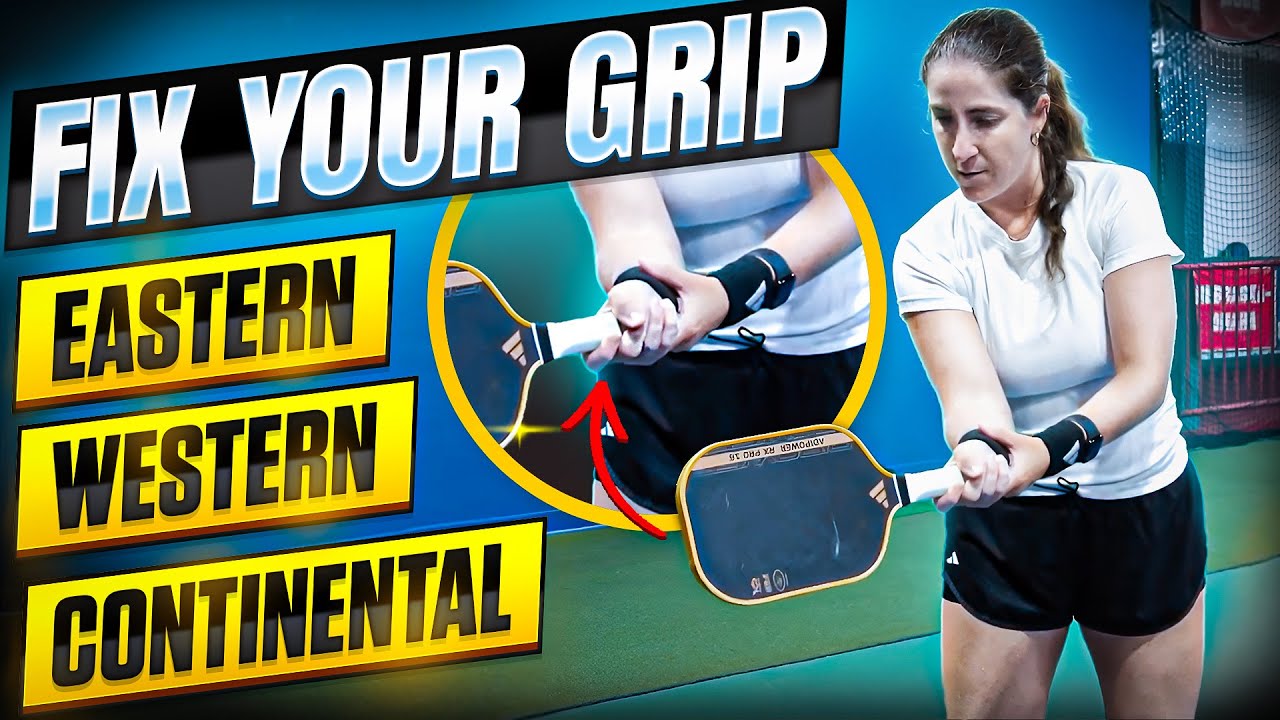
4. Let the Ball Go Out (Sometimes)
This is the big one, and it's counterintuitive. When a younger, stronger player is banging the ball at you from inside the court, your instinct is to block it back. Don't.
Here's the math: pickleball courts are small relative to the net height. Balls go out way more often than they go in when they're hit hard from inside the court. If you try to block every hard shot, you're fighting physics and losing.
Instead, step out of the way and let the ball travel out. Yes, some will land in. But enough will land out that this is the percentage play. It's not about giving up; it's about playing smart.
One bonus tip from Roig: if you know your opponent is an aggressive player, start moving before they even hit the ball. Don't wait to see the shot. Anticipate it. You'll have way more time to get out of the way.
5. Play Higher IQ Pickleball
The final piece is about understanding the game's framework, not just hitting the ball. The non-volley zone (kitchen) is what makes pickleball pickleball. Too many players just hit over it without thinking about how to use it strategically.
- Bring the kitchen into your strategy
- Think about how you're positioning yourself relative to it
- Use it as part of your offensive and defensive game plan, not just an obstacle to clear
This kind of thinking is what separates players who are just hitting balls from players who are actually playing the game. And at 50+, your brain is your biggest asset.
 The Dink Media Team
The Bigger Picture
What makes Roig's advice stand out is that it's grounded in real experience. He's not theorizing about what 50+ players should do; he's living it as a senior pro himself.
These aren't restrictions meant to hold you back. They're guardrails designed to keep you healthy, competitive, and enjoying the game for years to come.
The message is clear: stop chasing every trend you see online. Focus on what actually works for your body, your reflexes, and your stage of life. That's how you build a game that lasts.
Heads up: hundreds of thousands of pickleballers read our free newsletter. Subscribe here for cutting edge strategy, insider news, pro analysis, the latest product innovations and more.
Love Pickleball? Join 100k+ readers for free weekly tips, news & gear deals.
Subscribe to The DinkGet 15% off pickleball gear at Midwest Racquet Sports