

Unforced errors and questionable tactical choices are exactly what keep amateur players from reaching the next level.
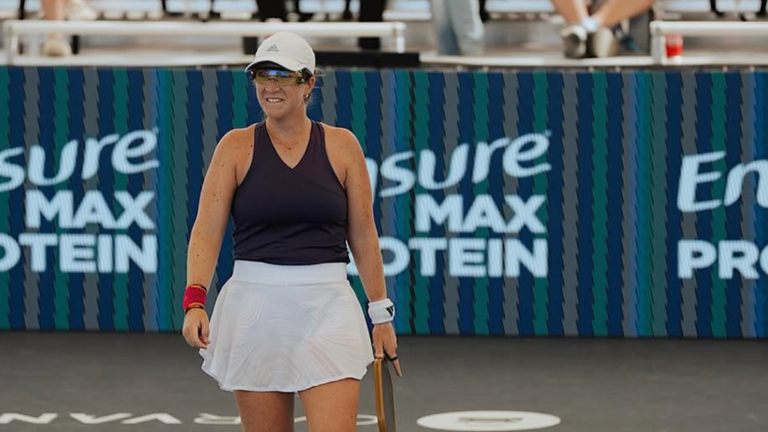
In her latest breakdown, pro Mari Humberg highlights five common strategy blunders that plague recreational play and offers simple, actionable fixes that do not require a professional-grade vertical or a 100-mph serve.
It's pickleball strategy made simple. And you'd be wise to take some notes.
Love pickleball? Then you'll love our email newsletter. We send the latest news, tips, and highlights for free each week.
1. Dialing Back the Heat on Drives
The first mistake Mari identifies is the tendency for players to treat every drive like a home run derby.
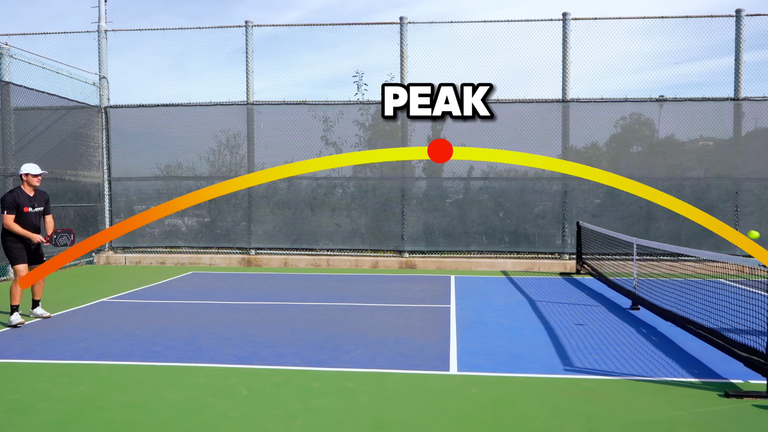
There is a common misconception that a drive must be hit at 100 percent power to be effective. However, swinging with everything you have makes it incredibly difficult to keep the ball in the court. Mari demonstrates this by launching a few balls toward the back fence, proving that even for a pro, maximum effort often leads to minimum control.
The fix is surprisingly simple: aim for about 70 to 75 percent power.
By taking a little bit of pace off, you can focus on keeping the ball low and targeting your opponent's hip level.
It is about finding that sweet spot where the ball still has enough zip to pressure the opponent without becoming a liability for you.
2. The Danger of the Off-Balance Speedup
We have all seen a player get pulled out wide, stretching desperately to reach a ball, only to try a heroic speedup from a completely compromised position.
Mari points out that when you are off-balance and off the court, your chances of winning a fast-paced exchange are slim to none. Even if you hit a decent shot, you are out of position for the inevitable counter-attack, leaving your partner to fend for themselves.
Instead of going for the highlight reel winner, Mari suggests the "dead dink" to the middle.
By softly placing the ball back into the center of the kitchen, you buy yourself the time needed to recover your court position. It might not be the flashiest play, but it keeps you in the point and prevents your opponents from capitalizing on your temporary instability. Stop making excuses for bad speedups and start prioritizing your recovery.
 Eric Roddy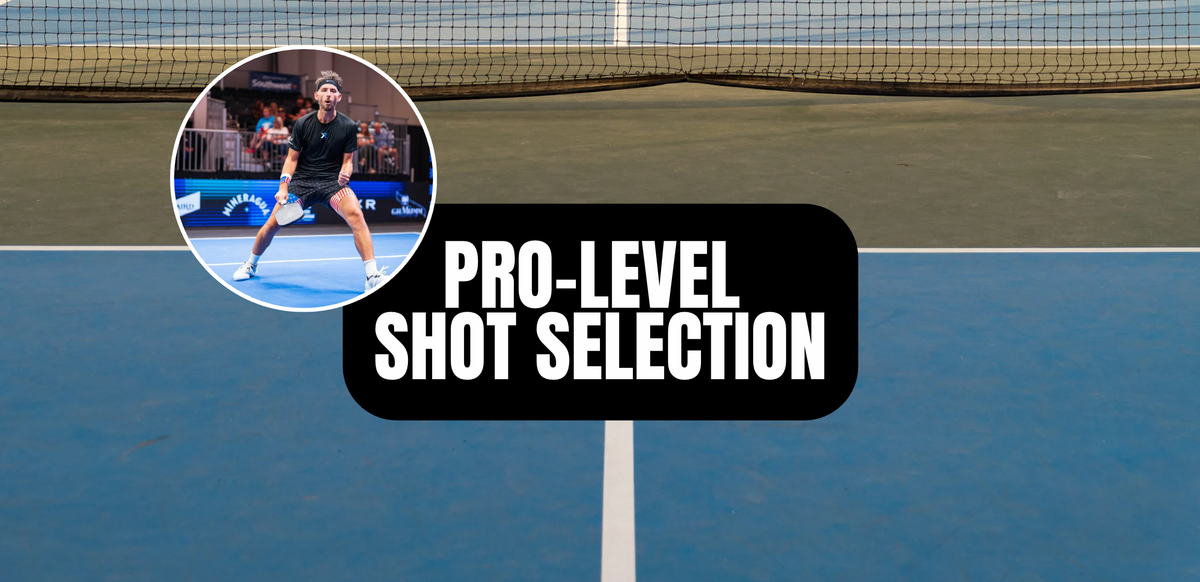
3. Cutting Out the Low-to-High Cross-Court Attack
As the pro game evolves, we see more cross-court attacks, but Mari warns that amateurs are often applying this strategy at the wrong times.
Specifically, she sees players trying to attack balls that are low to the ground, hitting from low to high across the court. This is a recipe for disaster because a low-to-high trajectory usually means the ball is rising as it crosses the net, making it an easy target for a ready opponent.
When you attack cross-court from a low position, you are essentially feeding your opponent a ball they can crush right back at your partner.
Mari’s advice for this mistake is blunt: just stop doing it.
If the ball is low, keep it as a dink. Save the cross-court aggression for when the ball is high enough that you can hit down on it. Your partner’s ribs will thank you for the change in strategy.
 The Dink Media Team
4. Respecting the Quality Third Shot
Sometimes, your opponent simply hits a great third shot drop. It happens to the best of us. The mistake Mari sees is players trying to do too much with their fourth shot in response to a perfect drop.
The fix here is to accept that your opponent won the transition battle. Instead of forcing an attack, commit to the reset.
Back up slightly if you have to, let the ball bounce, and hit a soft fourth shot that keeps the opponents at bay. By neutralizing their good shot with a disciplined reset, you turn the point back into a dink rally rather than handing them a free point through an over-aggressive error.
Heads up: hundreds of thousands of pickleballers read our free newsletter. Subscribe here for cutting edge strategy, insider news, pro analysis, the latest product innovations and more.
5. Finding Your Inner Zen at the Kitchen
The final mistake is one we are all guilty of at some point: a total lack of patience.
Pickleball can feel like it is on a timer, and many players feel they must attack after two or three dinks just to make something happen. Mari explains that against good opponents, you have to be willing to wait for the right opportunity. Attacking a "red light" ball, which is anything below the knee, puts you at an immediate disadvantage.
 The Dink Media Team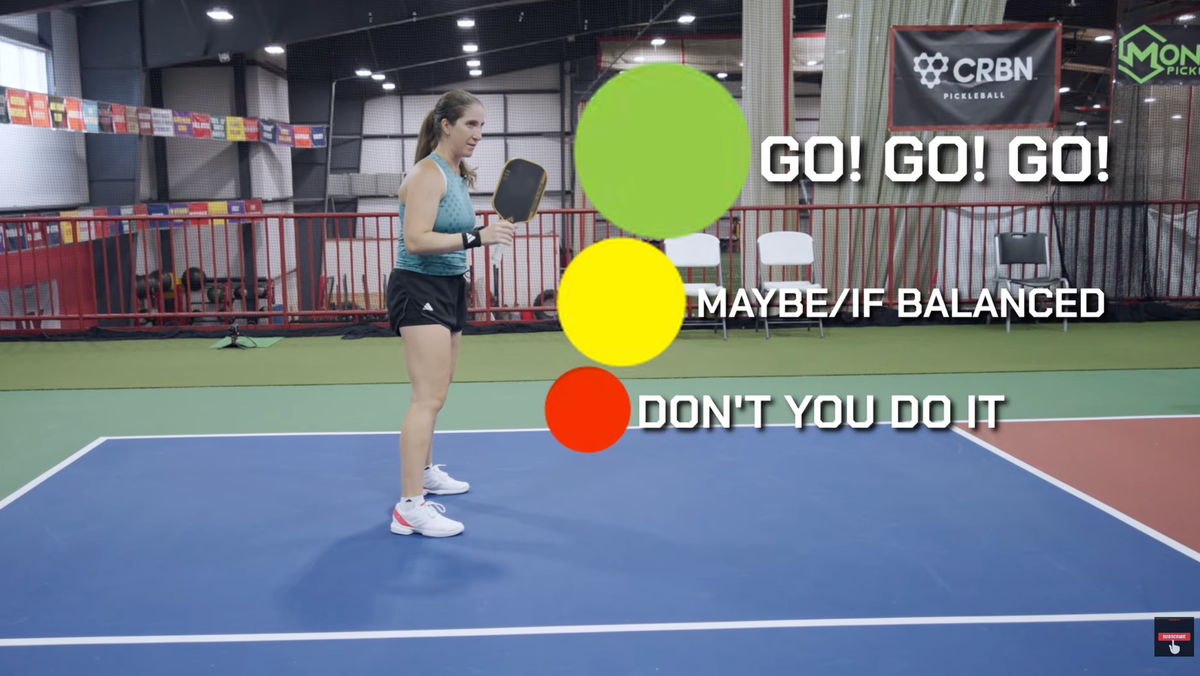
Mari uses a traffic light system to help players categorize their shots.
- A "yellow light" is between the knee and the hip, while a "green light" is anything above the hip.
The goal is to stay patient and keep dinking until you get that green light. By improving the quality of your dinks and waiting for a genuine opening, you set yourself up for success rather than rushing into a losing battle.
It is a game of chess, not a sprint to the finish, and the most patient player often comes out on top.

Love Pickleball? Join 100k+ readers for free weekly tips, news & gear deals.
Subscribe to The DinkGet 15% off pickleball gear at Midwest Racquet Sports