Happy Fall, Pickleballers! Of course, we in the North are hiding indoors now to play our pickleball, but that has given me extra time to compile more tips from the pros to level up your game. This fall is the perfect season to zero in on your pickleball progress and tighten up the areas of your game that are costing you points. Let's get into it.
1. To Lob or Not to Lob
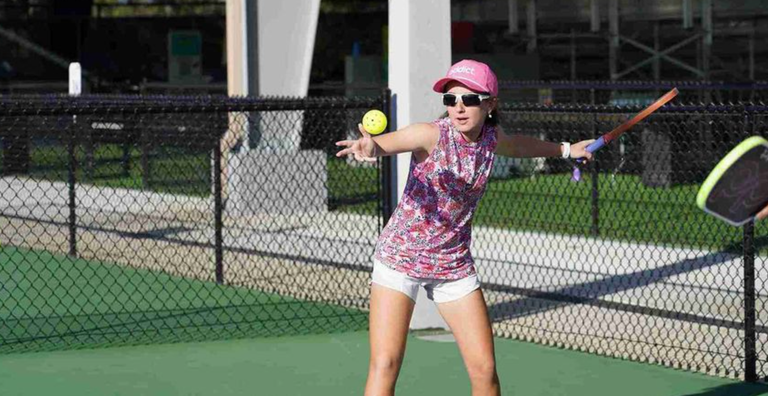
Why do you lob, and how often are you lobbing? When I started, I was lobbing way too much, and then I stopped lobbing altogether for a period. I'm not talking about the dreaded 3rd shot lobs, I'm talking about offensive lobs.
Some people don't use lobs at all, and not many people practice returning offensive lobs. It can be a great shot to add to your game that can make your pickleball game a little different.
Check out these three tips and demonstrations from Jordan Briones to get more of an idea of how to offensive lob.
2. Fix Your Footwork and Fuel Your Pickleball Progress
Sometimes I feel like I'm about to fall over because my footwork and positioning are so bad. I think we have all seen the person moving back and forth at the NVZ, and you are just waiting for them to fall over with how off balance they are from their crazy footwork (ok, this has been me a few times!) Every time you are out of position, the problem compounds with every shot because you keep moving more until you are too far out of position to get the next ball.
Poor court positioning is one of the biggest obstacles to pickleball progress at any skill level, and addressing it sooner rather than later makes a dramatic difference. As highlighted in a Sports Illustrated strategy guide, failing to maintain proper distance from the net and playing off balance are among the most common mistakes that stall a player's development.

We can help fix this problem by taking more dinks out of the air, when possible, to avoid moving more. Taking dinks out of the air solves the problem of getting out of position and reduces the time your opponent has before they must return the ball. You need to drill this concept to get the feel for dinking out of the air because it feels a lot different than taking the ball off the bounce.
How Dinking Out of the Air Boosts Your Pickleball Progress
Volleying the dink before it bounces keeps you anchored at the kitchen line and removes the chain reaction of poor positioning that builds over multiple shots. Drilling this skill consistently will produce an immediate lift in your overall pickleball progress. Even a short, focused session of air dink practice can transform how you move and stay balanced at the net.
https://www.youtube.com/watch?v=vSzMa2b9qNs
3. Reset the Ball: The Skill That Drives Pickleball Progress
You know the real skill that will take you far in this game is resetting the ball. Since I have made a concentrated effort in practicing, my confidence and skill have seen drastic improvement. Being able to take a fast-paced ball and return it over the net at a slower speed will boost your game fast.
Whether you are resetting the ball from the transition zone or resetting it from the NVZ, you need to have soft hands. You need to loosen your grip pressure and take the pace off those fast-paced shots. You won't get good at this overnight but trust me, you want to get good at resetting.
The other aspect of resetting that comes with time is when you should do it. This will be different for every person. My general rule is if I feel like I am losing a firefight because the ball is too far below the net, I go for a reset.
The reset is one of the most essential building blocks of sustained pickleball progress, separating players who plateau from those who keep climbing. Making a dedicated effort to improve your pickleball reset technique is one of the highest-return investments you can make at any rating level.
Pickleball Journey does a great job showing you how to reset any ball.
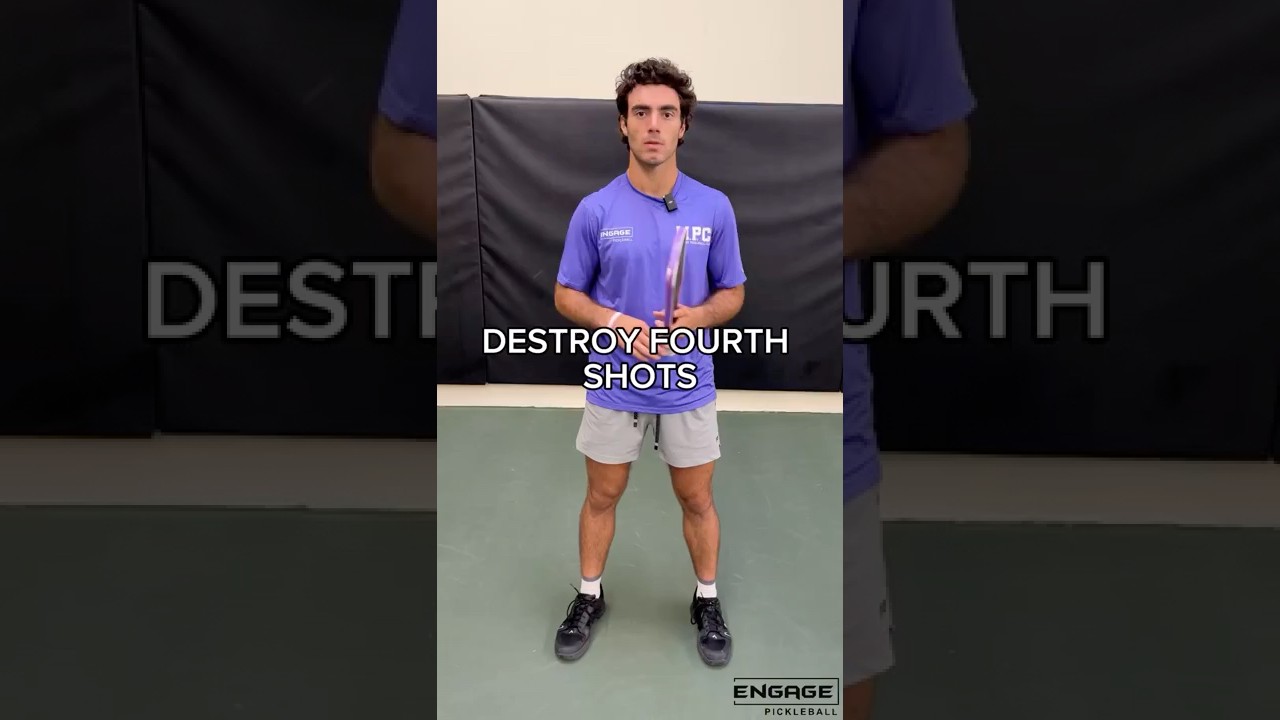
4. Get That Serve and Return Deep
Do you know what the first two shots in pickleball are? How often have you been practicing your serves and returns? These two shots are key to setting up the point and can lead to putting you in amazing positions or can lead to the point being over quickly.
The depth of the serve and the depth of the return are the key factors to each shot. You want a deep serve and a deep return.
Your return of serve you want to keep deep but not too fast, because you want to give yourself enough time to get to the net. Do you find yourself receiving a 3rd shot drive low at your knees or feet because you didn't make it up to the NVZ in time? You might be hitting your returns deep, but with too much pace.
I also try to keep my returns more toward the middle to give myself a bigger margin of error. If you do want to target a certain player, there are two different thoughts on whom you should target.
Choosing Your Return Target for Maximum Pickleball Progress
One mindset is targeting who you think the weaker player is because their 3rd shots won't be as good. The other mindset is you want to hit it to the stronger player because it keeps them back longer and prevents them from poaching or shake and baking.
You can observe exactly how the pros use serve and return depth to control the point by watching elite matches broadcast on CBS Sports. Studying how top players force difficult third shots through deep placement is one of the fastest ways to level up your game.
Do you have a backhand slice return? This is a key return shot you should learn to make your returns better and easier. Sometimes that low serve to your backhand is hard to return, but if you can slice it back and deep, you will find yourself making it to the NVZ with ease.
The good news is that both shots are easy to drill with a partner and you can get a lot of practice in a short amount of time. Consistent repetition on your serve and return is one of the most reliable ways to improve your pickleball skills at any level.
Check out this article that gives you a great way to drill in a game format.
Want to see my tips and reviews in video form? Check out my Tiktok below.
https://www.tiktok.com/@pickleballdad
Frequently Asked Questions
What is the most important skill for pickleball progress at the intermediate level?
The reset shot is widely considered the single most important skill for intermediate players looking to make real pickleball progress. It allows you to neutralize fast-paced exchanges and return to a controlled dinking rally, which is where most points at that level are ultimately won or lost.
How do I stop moving out of position at the kitchen line?
Start by practicing taking dinks out of the air instead of letting the ball bounce. This one adjustment keeps you planted at the non-volley zone and directly supports your pickleball progress by eliminating the chain reaction of chasing and overstepping that compounds with every shot.
How deep should my serve and return of serve be?
You want both shots landing as close to the baseline as possible without going out. A deep return of serve is fundamental to improving your pickleball game because it buys you the time needed to advance to the kitchen line before your opponent's third shot arrives.
Should recreational players use the offensive lob?
The offensive lob is one of the most underused weapons in recreational play and can genuinely accelerate your pickleball progress when opponents consistently crowd the net. Add it as a deliberate surprise shot during practice and you will find that most players have had very little time developing a response to it.
How do I know when to reset versus when to attack?
A simple guideline: if the ball is at or below net height when it reaches you, go for a reset rather than a speed-up. Developing this decision-making instinct is one of the clearest signs of real pickleball progress and comes from both match repetition and targeted drilling with a partner.
Jacob Hoisington
Love Pickleball? Join 100k+ readers for free weekly tips, news & gear deals.
Subscribe to The DinkGet 15% off pickleball gear at Midwest Racquet Sports