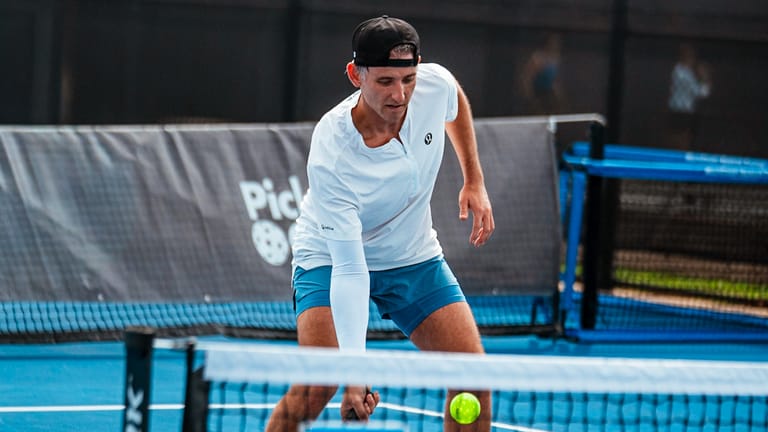


3 Technical Tips for Winning Kitchen Line Hands Battles in Pickleball
The players dominating kitchen firefights aren't necessarily the fastest athletes – they're the ones who see the attack coming and react with precision
Believe it or not, firefights are getting faster, fiercer, and more intense. If you're serious about playing at a high level, you need quick hands to survive the speedups that are becoming the norm.
But there's more to this than just fast-twitch reaction times. PlayPickleball.com breaks down the exact mechanics, positioning, and mental strategies that separate players who get jammed from those who counter with precision.
Love pickleball? Then you'll love our free newsletter. We send the latest news, tips, and highlights for free each week.
Read Your Opponent Before the Ball Arrives
The first secret to fast hands isn't actually about your hands at all. It's about anticipation. You need to read your opponent's paddle angle, their body position, and the shot you just gave them.
Two situations matter most.
- First, watch for a dead dink that sits up high. If your opponent gets a shallow dink and it pops up, they're setting up for a speedup. The moment you see that ball sit up, start prepping.
- Second, look for the kitchen reach. When your opponent drops their paddle tip low and reaches into the kitchen, they're about to attack. That's your cue to get your paddle up high, because they're hitting up on the ball, which means you can hit down on it.
 The Dink Media Team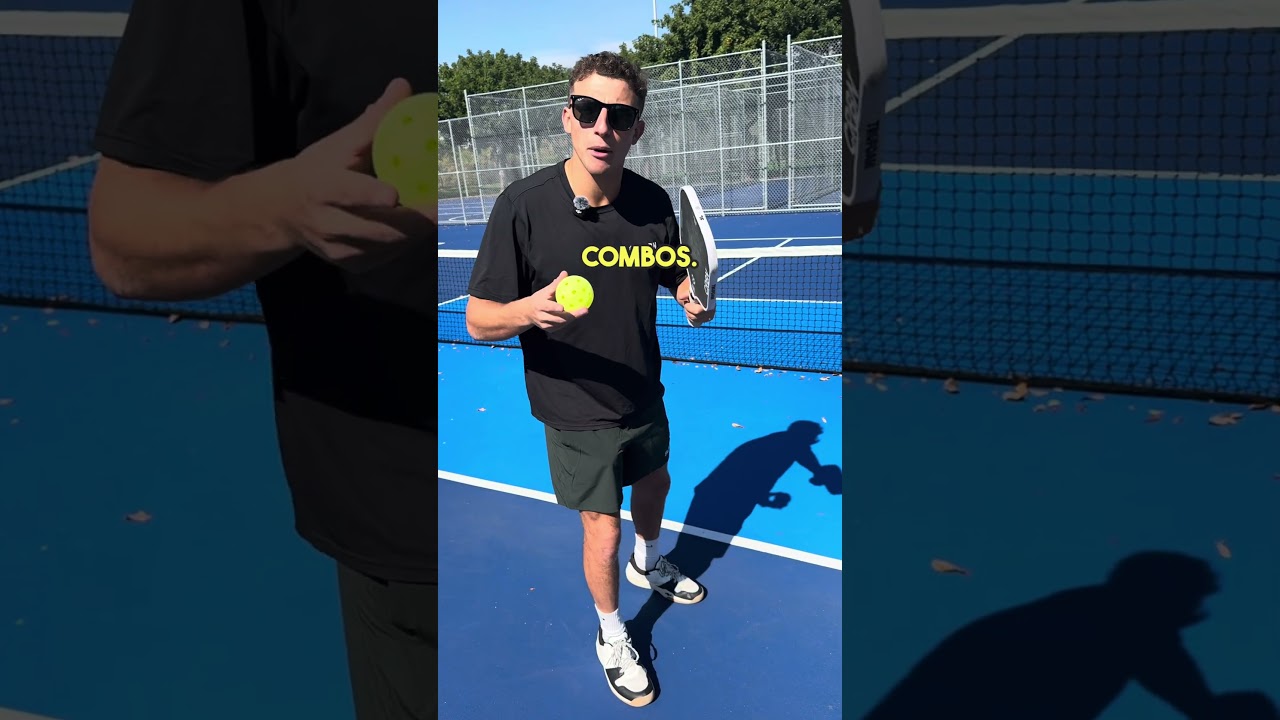
The Ready Position (It's Not What You Think)
Here's the biggest mistake beginners make: they drop their paddle like a purse after every dink. Your paddle should stay up in front of your chest, above your belly button, ready to react instantly.
But there's more to it than just height. Where you hold your paddle matters just as much.
- Don't hug the kitchen line too tight. If you're leaning in too far, you lose leverage for a counterattack
- Keep your paddle out in front of you, not jammed against your body, but not outstretched either
- Maintain a slight bend in your elbow. That bend is what gives you juice and power to counter
- Stay at a normal center of gravity. When you see your opponent setting up, back off the line slightly to give yourself room to work
The Mechanics That Make You Dangerous
Once you've anticipated the speedup and you're in the right position, mechanics take over. This is where most players fall apart.
- Keep your head still. Seriously. Watch beginner and intermediate players in a hands battle and you'll see their heads bouncing up and down, forward and back. The best players keep their head locked in place. This keeps your eye level steady and lets you make solid contact.
- Stay on balance. You'll see top players shuffle their feet and stay out front, even when they're moving laterally. If you reach outside your body, you lose leverage and you'll be late to the next ball.
- Use a short, punchy swing. This isn't a full backswing or follow-through. Think of it as a jab, not a haymaker. Some players even try to keep their paddle in front of the kitchen line as they counter, never pulling it back into negative space. The goal is a quick motion that lets you reload fast.
 The Dink Media Team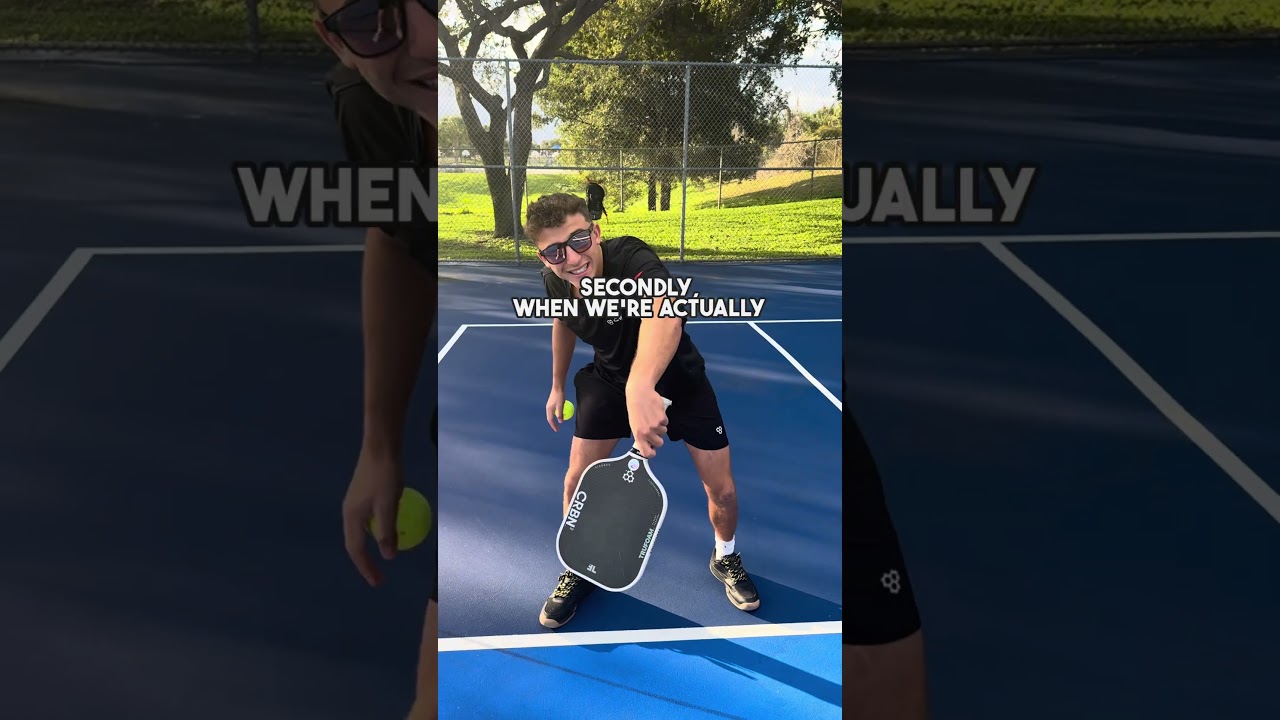
Put It All Together
Start by focusing on anticipation. Watch your opponent's paddle angle and the depth of the dink. Then dial in your ready position. Keep that paddle up and your elbow bent. Finally, when the speedup comes, stay still, stay balanced, and punch through it with a short, controlled swing.
The players dominating kitchen firefights aren't necessarily the fastest athletes. They're the ones who see the attack coming and react with precision.
Heads up: hundreds of thousands of pickleballers read our free newsletter. Subscribe here for cutting edge strategy, insider news, pro analysis, the latest product innovations and more.

Love Pickleball? Join 100k+ readers for free weekly tips, news & gear deals.
Subscribe to The DinkGet 15% off pickleball gear at Midwest Racquet Sports