
3 Pickleball Skills That Separate Average From Advanced Players
Incorporate these drills into your routine to take your skills to the next level
Want to move up fast in pickleball? You probably already know the basics: get to the net on your terms, control the kitchen, stay calm under pressure.
But there's a gap between knowing what to do and actually executing it when the ball's coming at you hard, and your opponent's waiting to pounce.
That's where these three advanced skills come in.
According to Cliff Pickleball, mastering third shot drop consistency, resetting under pressure, and net-play blocking and countering are the exact skills that separate average players from advanced competitors.
Love pickleball? Then you'll love our free newsletter. We send the latest news, tips, and highlights for free each week.
The Third Shot Drop: From 50% to 80% Consistency
Let's start with the third shot drop. Most players execute it maybe half the time, which means they're giving away free points. Cliff's goal is simple: get you to 80% consistency, and he's got a drill to prove it works.
The key insight here is that there are two ways to hit a third shot drop, and they work differently depending on how your opponent pressures you.
- The tennis-style drop uses heavy spin and keeps the ball low and tight to the net.
- The table tennis-style drop uses loft and spin together, sending the ball higher but still landing softly in the kitchen.
Why does this matter? When your opponent steps into the kitchen to pressure you, a low tennis-style drop becomes harder to control because you're hitting from farther back. But a high, spinny table tennis-style drop gives you more margin for error. The ball floats higher, so you're less likely to hit the net, and the spin keeps it from sailing long.
The Pressure Drill That Changes Everything
Here's how the drill works.
- One player starts at the baseline hitting third shot drops while the other stands at the net, ready to attack.
- The net player steps closer and closer to the kitchen line, increasing pressure with each rally.
- This forces the baseline player to control the drop better because there's less room to work with.
The magic happens when you combine loft and spin. You're not just dropping the ball; you're controlling the pace so your opponent can't put it away. Even if they attack, they can't finish the point because the ball's too high and too soft. They're forced to wait for a bounce or let it go entirely.
Practice this drill consistently, and you'll move from 50% to 80% in no time. The repetition builds muscle memory, and the pressure teaches you how to adjust on the fly.
 The Dink Media Team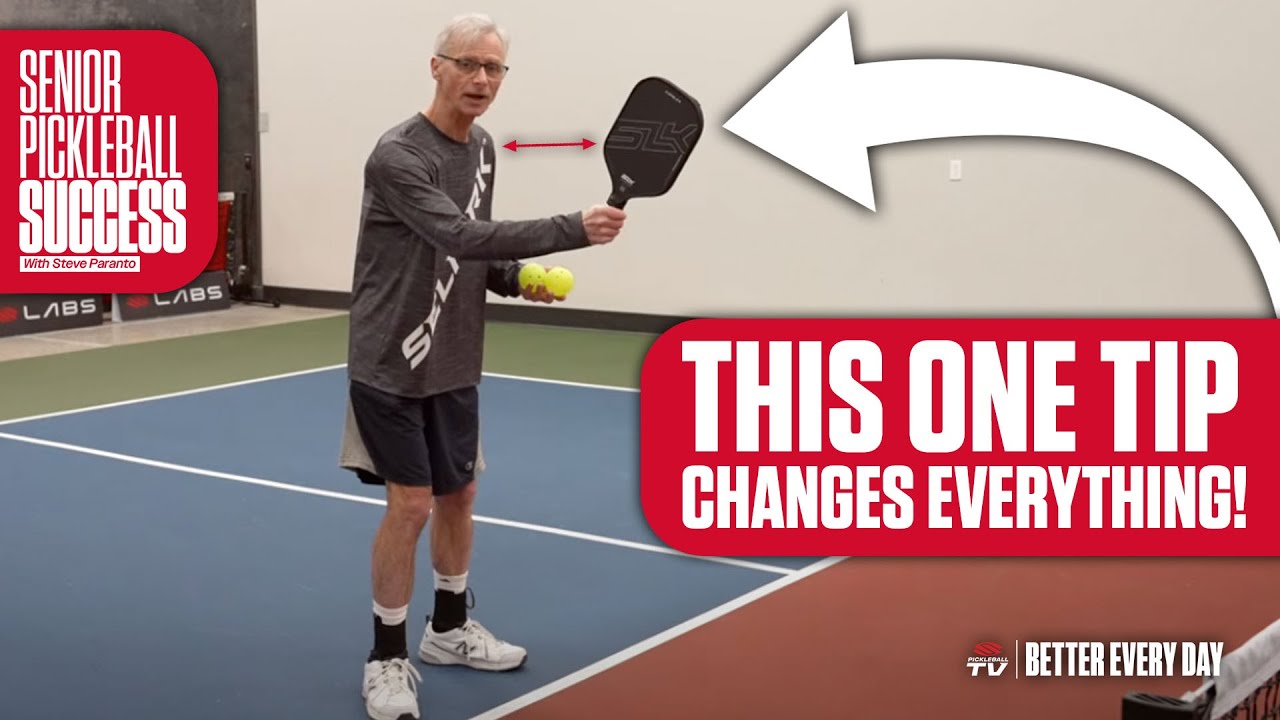
Resetting Under Pressure: The Hardest Skill to Master
Now let's talk about resetting. This is where things get tough. A reset is a soft shot hit from the baseline or mid-court that lands in the opponent's kitchen, usually in response to a hard attack. It's one of the most important defensive shots in pickleball, but it's also one of the hardest to master at high consistency.
Why? Because you're often out of position, the ball's coming fast, and you have to remove all the tension from your body to slow it down. One mistake and you either hit the net or send it sailing long.
There are two types of resets: volley resets (taken out of the air) and bounce resets (taken after the ball bounces). Both require different timing and footwork, but the principle is the same: absorb the pace and drop it softly.
The Progressive Reset Drill
Cliff's drill builds reset consistency through progressive repetition. Here's the structure:
- Start with one ball to the forehand (volley reset), then one to the backhand (bounce reset).
- Move to two balls on each side, alternating volley and bounce.
- Keep adding balls until you're handling five or more in a row.
- Do this twice a day, and you'll hit hundreds of resets in a week.
The repetition is the secret. After hitting 600 to 800 resets in practice, the shot becomes automatic. You stop thinking and start reacting. Your body knows what to do before your brain catches up.
One small detail: when the ball comes straight at you, use both hands instead of defaulting to your forehand. It feels awkward at first, but it becomes natural with practice and gives you better control.
 The Dink Media Team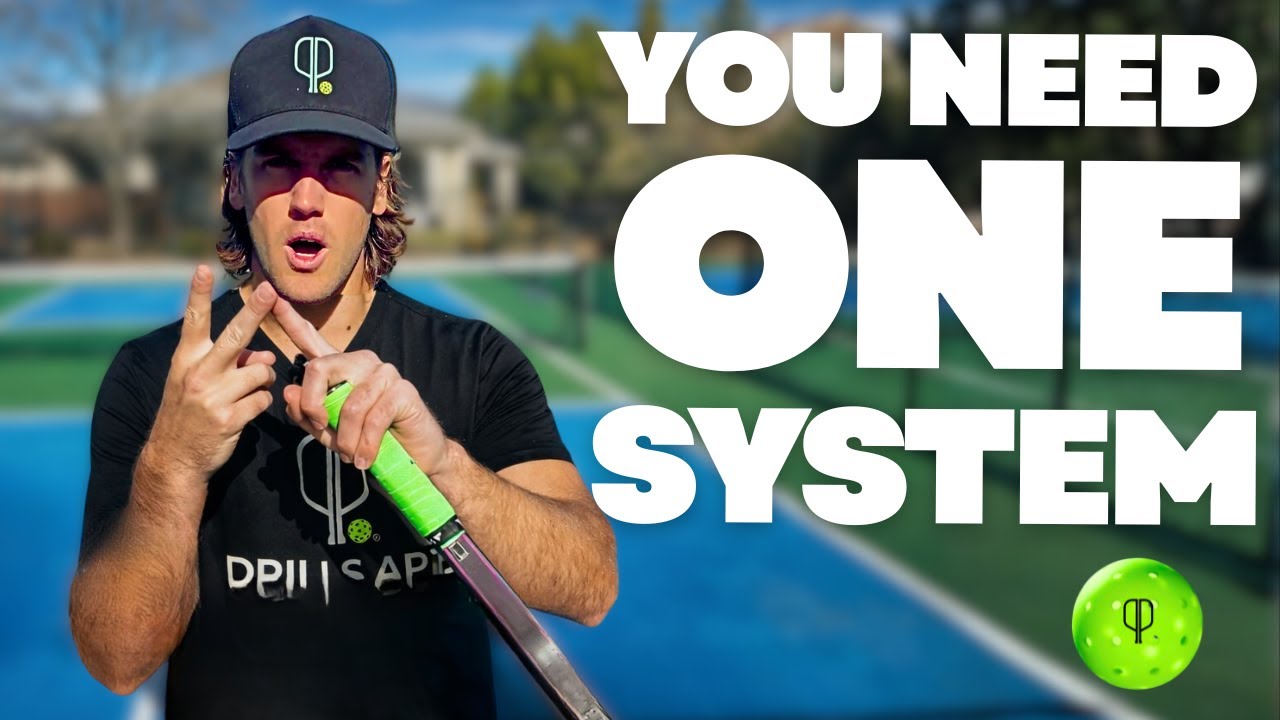
Net Play: Blocking, Countering, and Knowing When to Let It Go
The third skill is actually a combination of three things: blocking, countering, and lobs. This is where the game gets really interesting because you're dealing with multiple scenarios in rapid succession.
When your opponent speeds up the ball at the net, you have choices. You can block it back softly, counter it aggressively, or let it go if it's too high. The trick is knowing which option to use and when.
The Speed-Up, Block, Counter Drill
Cliff's drill simulates match pressure by combining all three skills in one sequence. Your opponent hits a speed-up, you block it back, they counter, you block again, and then you counter. If the ball goes high, you let it go or lob it to push them back.
The drill repeats this pattern over and over, with the ball coming to your forehand and backhand alternately. You're shuffling side to side, staying low, and making quick decisions. It looks chaotic at first, but after enough reps, it becomes smooth and natural.
 The Dink Media Team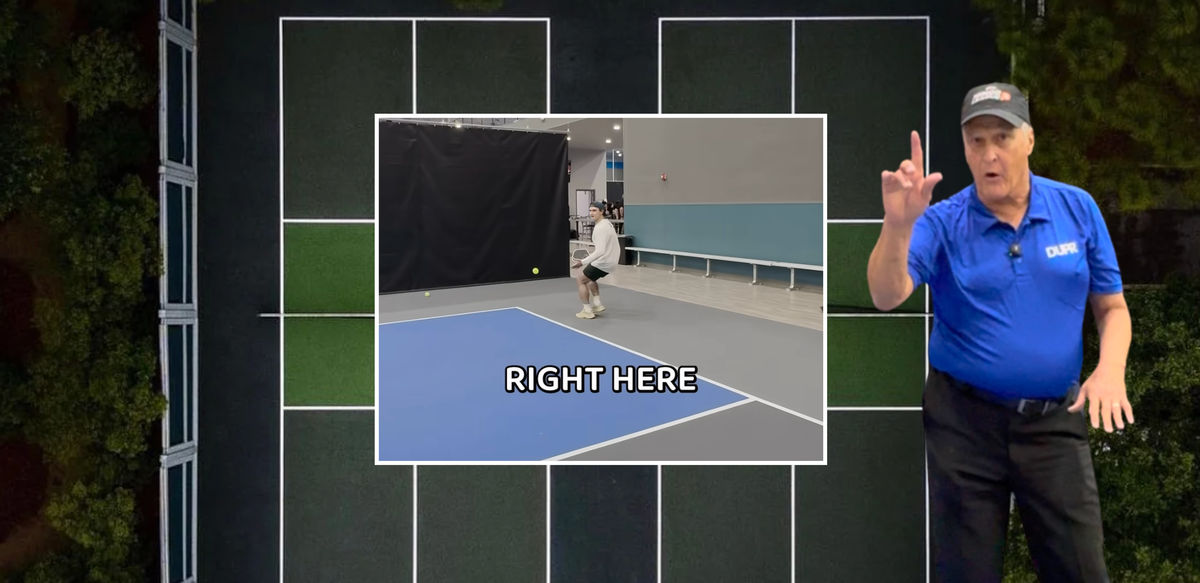
The goal isn't to be perfect. It's to develop reflexes and control instead of guessing. When you're comfortable at the net, you can handle pace, control the kitchen, and win longer rallies.
Why These Three Skills Matter Most
So why focus on these three and not something else? Because they're the reason most players get stuck at their current level. You can have great footwork and a solid serve, but if you can't drop consistently, reset under pressure, or handle pace at the net, you'll lose to players who can.
These skills also build on each other. A good third shot drop keeps you in the point long enough to get to the net. Once you're there, resetting and blocking keep you alive when your opponent attacks. Together, they let you handle pace, control the kitchen, and play calm under pressure.
Heads up: hundreds of thousands of pickleballers read our free newsletter. Subscribe here for cutting edge strategy, insider news, pro analysis, the latest product innovations and more.

Love Pickleball? Join 100k+ readers for free weekly tips, news & gear deals.
Subscribe to The Dink