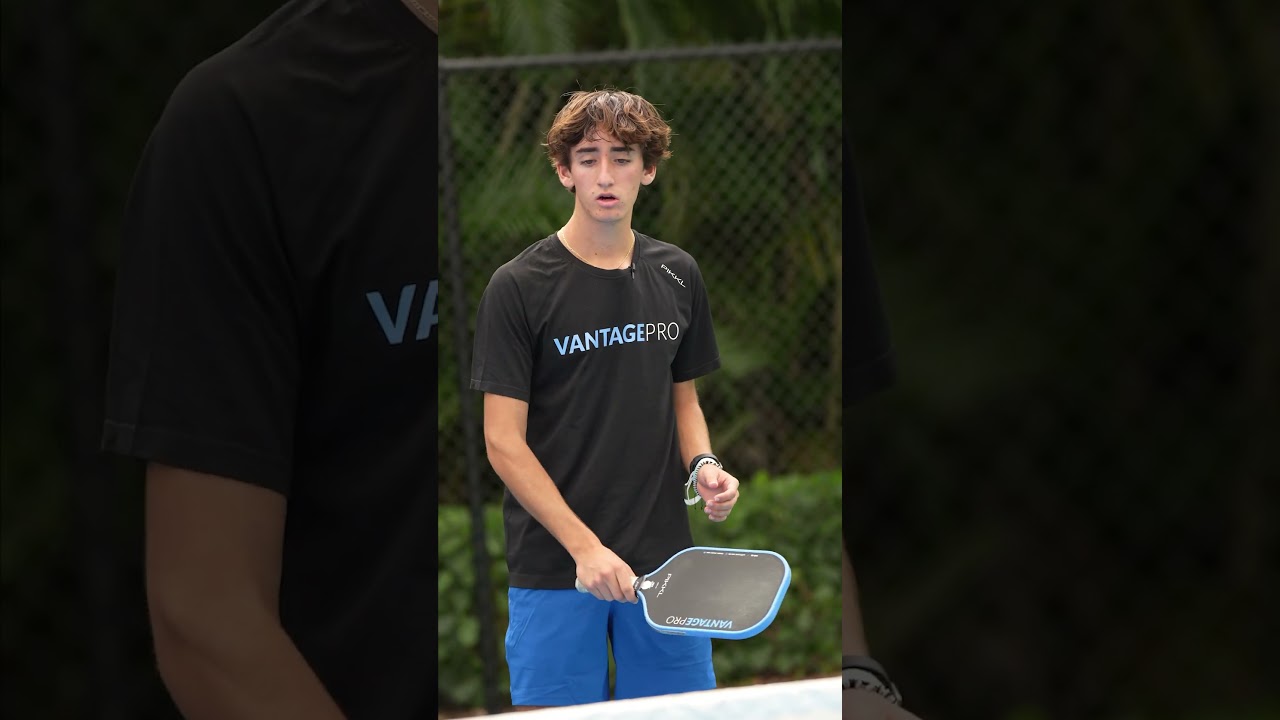
3 Deceptive Pickleball Shots That Will Paralyze Your Opponents
Elite players win by reading body language, staying loose, and disguising their shots until the last possible second
Pickleball's best players aren't just hitting harder or running faster. They're playing mind games. And if you want to climb the ranks, you need to master the art of deception.
Cliff Pickleball, a high-level coach and player, breaks down three deceptive shots that work because your opponent thinks they know what's coming, then suddenly they don't.
Love pickleball? Then you'll love our free newsletter. We send the latest news, tips, and highlights for free each week.
The Power of Hiding Your Intentions
Here's the thing about pickleball at higher levels: your opponent is always reading you. They're watching your paddle position, your footwork, your body language. If you're predictable, they'll shut you down before you even hit the ball.
That's where deception comes in. It's not about fancy trick shots or flashy moves. It's about making your opponent believe one thing is happening, then doing something completely different at the last second.
The key? Timing. Cliff emphasizes that waiting just half a second to a full second before committing to your shot completely changes the game. That tiny pause throws off your opponent's read and forces them to guess instead of react.
Shot #1: The Cliff Shot (Soft Topspin Deception)
The first deceptive weapon is what Cliff calls the Cliff Shot, a soft topspin that freezes opponents in their tracks.
Here's how it works:
- Use a continental grip and stay in your neutral position until the last moment.
- Go under the ball with minimal backswing, focusing on placement rather than power.
- Wait one to half a second before hitting, watching where your opponent is positioned.
- If they shadow toward the middle, go cross-court instead. If they move right, go middle or left.
The magic is in that pause. Your opponent doesn't know where you're going because you haven't committed yet. By the time they realize what's happening, the ball is already past them.
 The Dink Media Team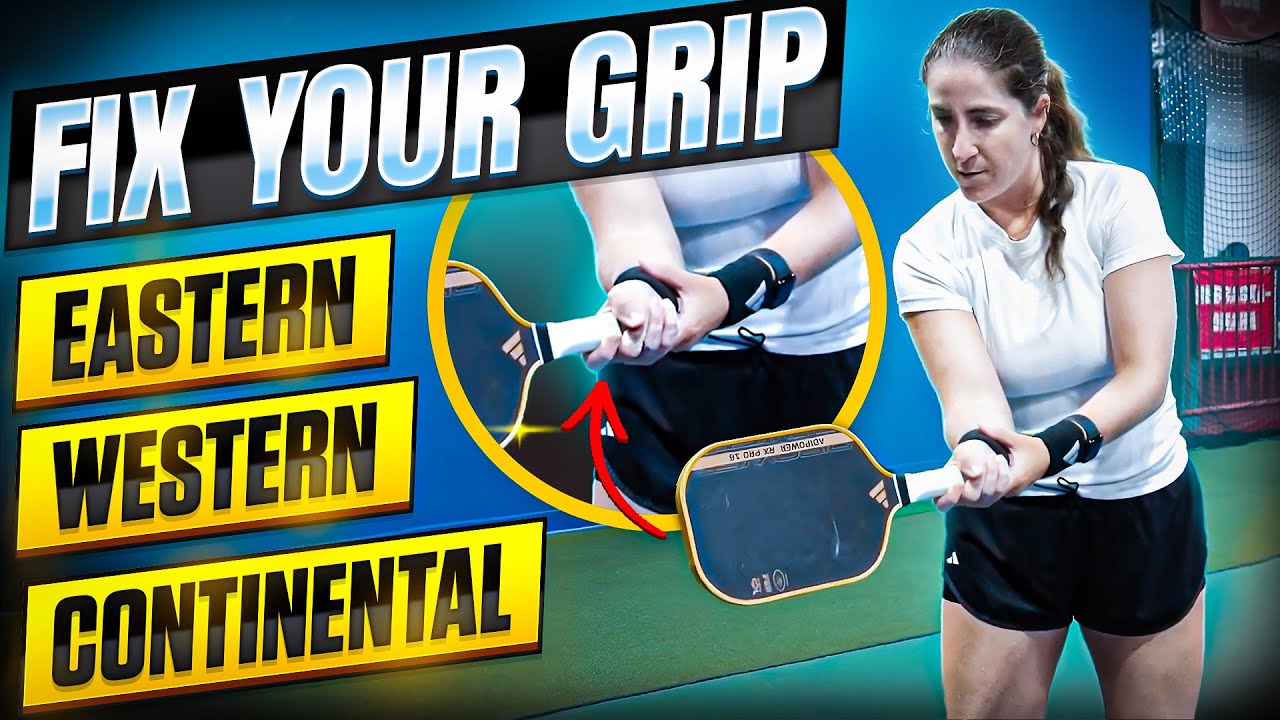
Shot #2: The Disguised Lob (Same Motion, Different Purpose)
This one is sneaky. You use the exact same motion, footwork, and follow-through whether you're dinking or lobbing. Your opponent can't tell the difference until the ball is already in the air.
The setup is simple:
- Dink normally for a few shots to establish a rhythm.
- When you see your opponent lowering their feet and getting ready to dink again, use that same motion but get under the ball more.
- Lift it with topspin and arc, sending it over their head.
Since they're expecting another dink, they're already committed to moving forward. By the time they realize it's a lob, they can't recover. This shot works especially well after you've mastered the cross-court dink.
 The Dink Media Team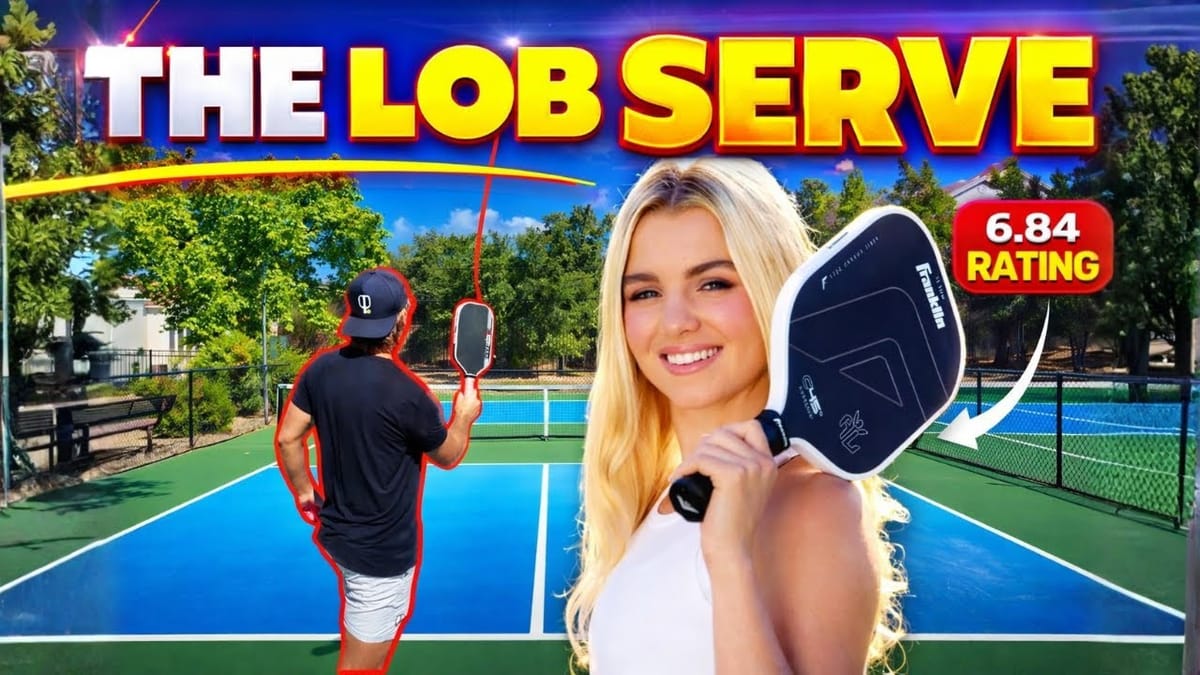
Shot #3: The Soft Block Against Hard Hitters
This is the shot that "works like magic" against bangers, according to Cliff. It's perfect for players who love to hit the ball hard.
The technique is counterintuitive:
- Loosen your grip significantly, holding the paddle very lightly in your hand.
- Take only a tiny backswing, just a few inches.
- Let the ball come to you instead of moving forward to meet it.
- Let the ball hit your paddle with minimal tension, and just guide it back.
Because there's no pace on the ball and your grip is loose, the ball dies on contact. Even if your opponent is fast enough to reach it, the ball won't bounce high anymore. It just sits there, dead.
The deception? You make them think you're about to hit it hard, then you loosen up at the last second. They're already committed to attacking, and suddenly there's nothing to attack.
 The Dink Media Team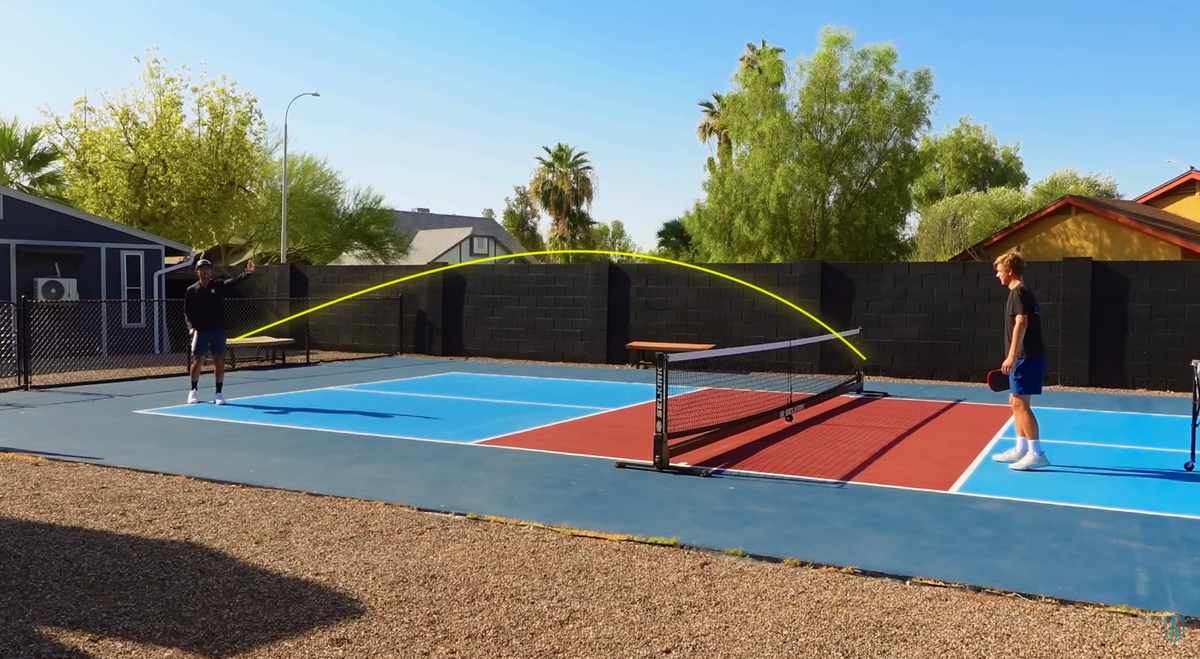
The Real Skill: Reading Your Opponent
All three shots share one thing in common: they only work if you're actually watching your opponent. You're not just executing a move. You're reading where they're standing, which direction they're leaning, and what they expect you to do.
That's why Cliff stresses removing tension from your body. If you're tight and rigid, you can't adjust. You have to stay calm and loose so you can make that split-second decision based on what you see.
Heads up: hundreds of thousands of pickleballers read our free newsletter. Subscribe here for cutting edge strategy, insider news, pro analysis, the latest product innovations and more.
Practice First, Deception Second
Here's the reality check: these shots won't happen by magic. You need to master the mechanics first. Get comfortable with your grip, your footwork, and your basic shots.
Once the mechanics are automatic, you can stop thinking about technique and start thinking about strategy. That's when you can see the openings and take advantage of them.
Deception isn't about being unpredictable for the sake of it. It's about being smart. It's about making your opponent guess instead of know. And that's what separates good players from great ones.

Love Pickleball? Join 100k+ readers for free weekly tips, news & gear deals.
Subscribe to The DinkGet 15% off pickleball gear at Midwest Racquet Sports